Styles · 5 buildings with a page · 1 more in the state inventory, not yet researched
Classical Revival
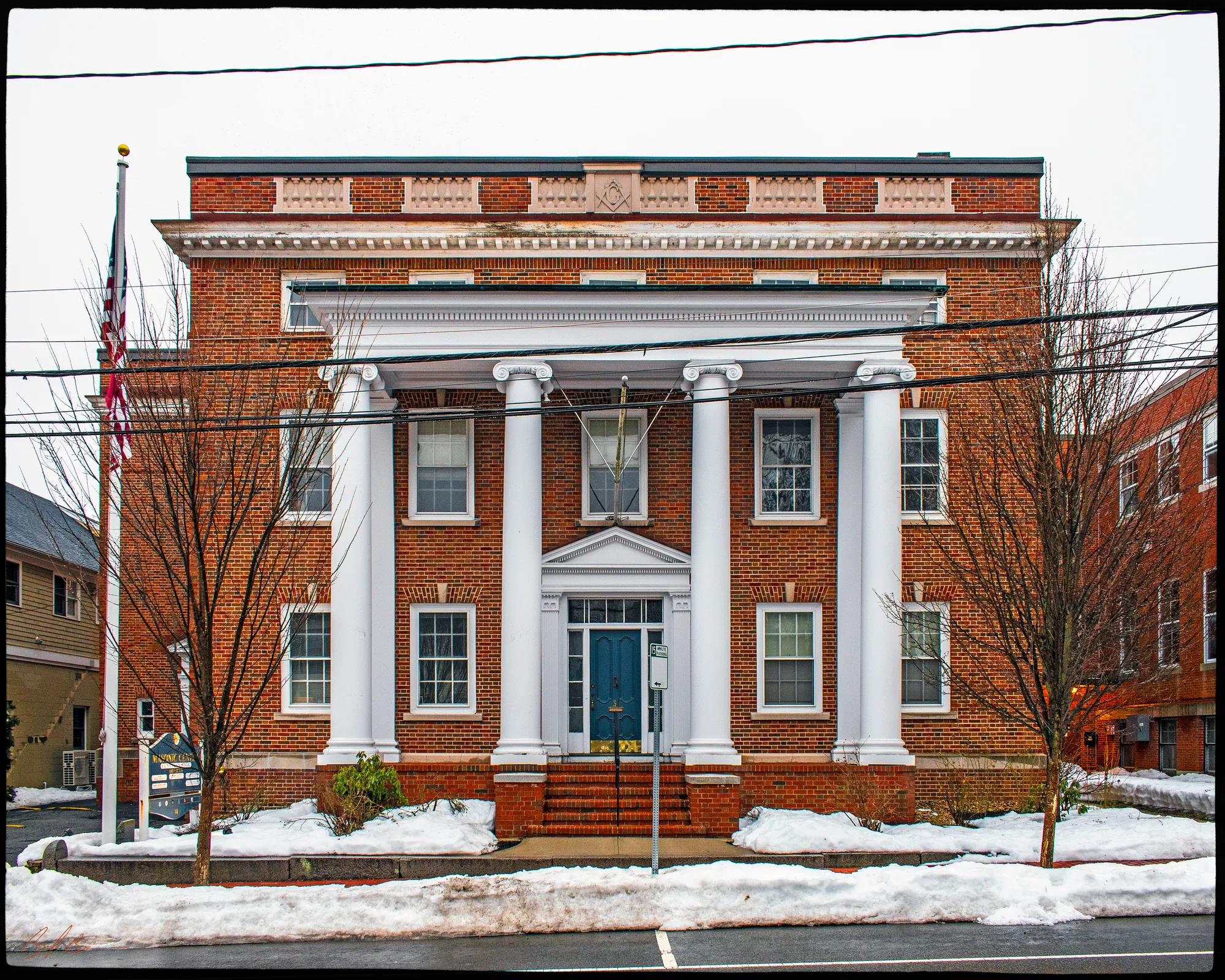
Monumental columns and porticos, for banks, public buildings and a few grand houses.
- Usual dates
- 1895–1930
- In Newburyport
- c. 1835–1928
- Built 1830–1860
- 1
- Built 1860–1900
- 1
- Built 1900–1945
- 3
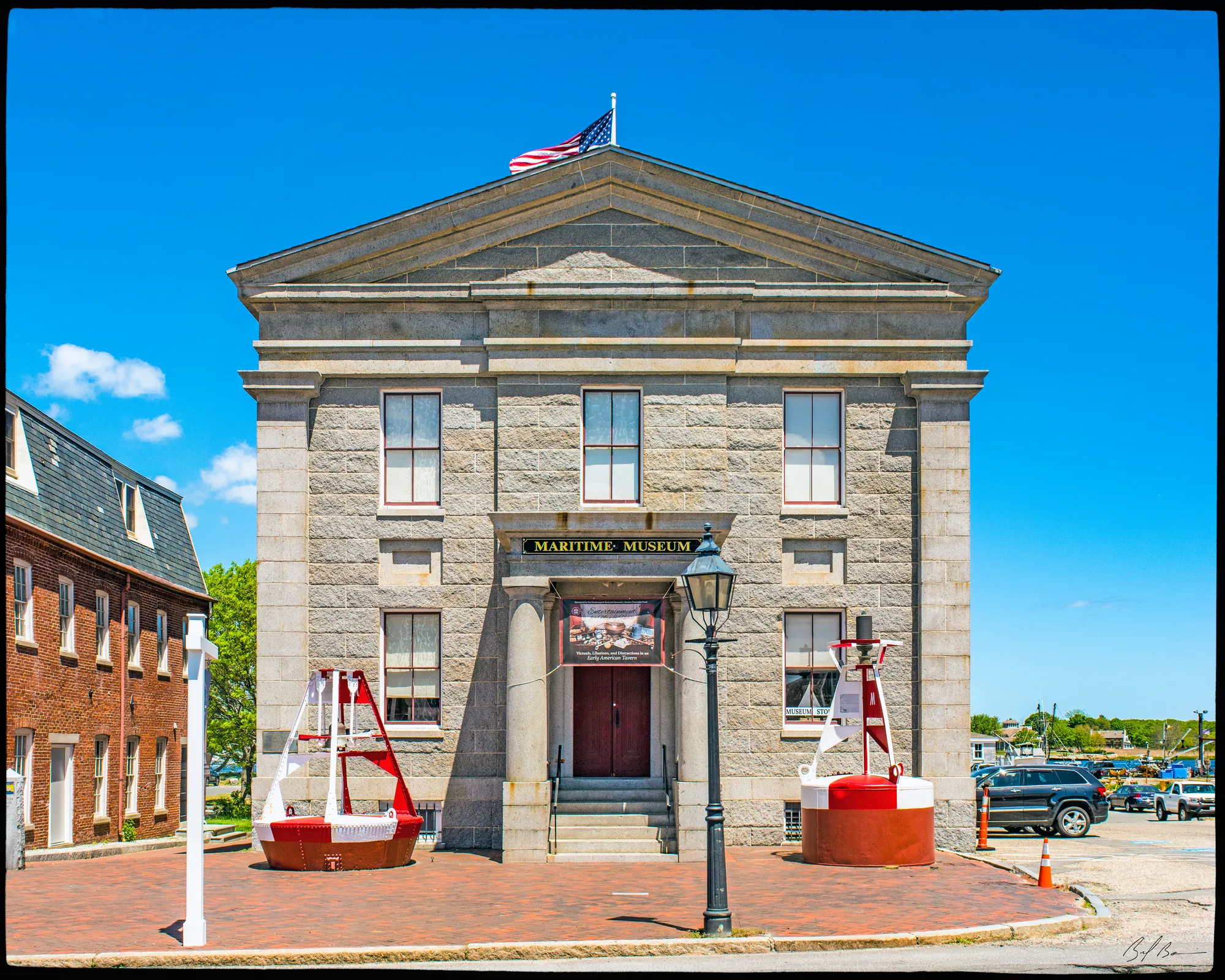
How to recognize it
- 01A full-height portico with columns and a pediment, or colossal pilasters across the front
- 02Strict symmetry and a formal, monumental scale
- 03Balustrades at the roofline or over the porch
- 04Roman orders, Corinthian or Ionic, with elaborate capitals
- 05Beaux-Arts: paired columns, sculptured figures, garlands and cartouches
- 06Smooth masonry with a rusticated base
About the style
Classical Revival, sometimes called Neoclassical or Beaux-Arts, is the monumental classicism of the decades around 1900: full-height columned porticos, temple fronts, balustrades and a formal symmetry drawn from Roman rather than Greek models. It was the style of the World's Columbian Exposition of 1893 and of the banks, libraries and post offices that followed.
In Newburyport it belongs to a few institutional and civic buildings and to a handful of houses with a two-story portico.
Classical Revival in Newburyport
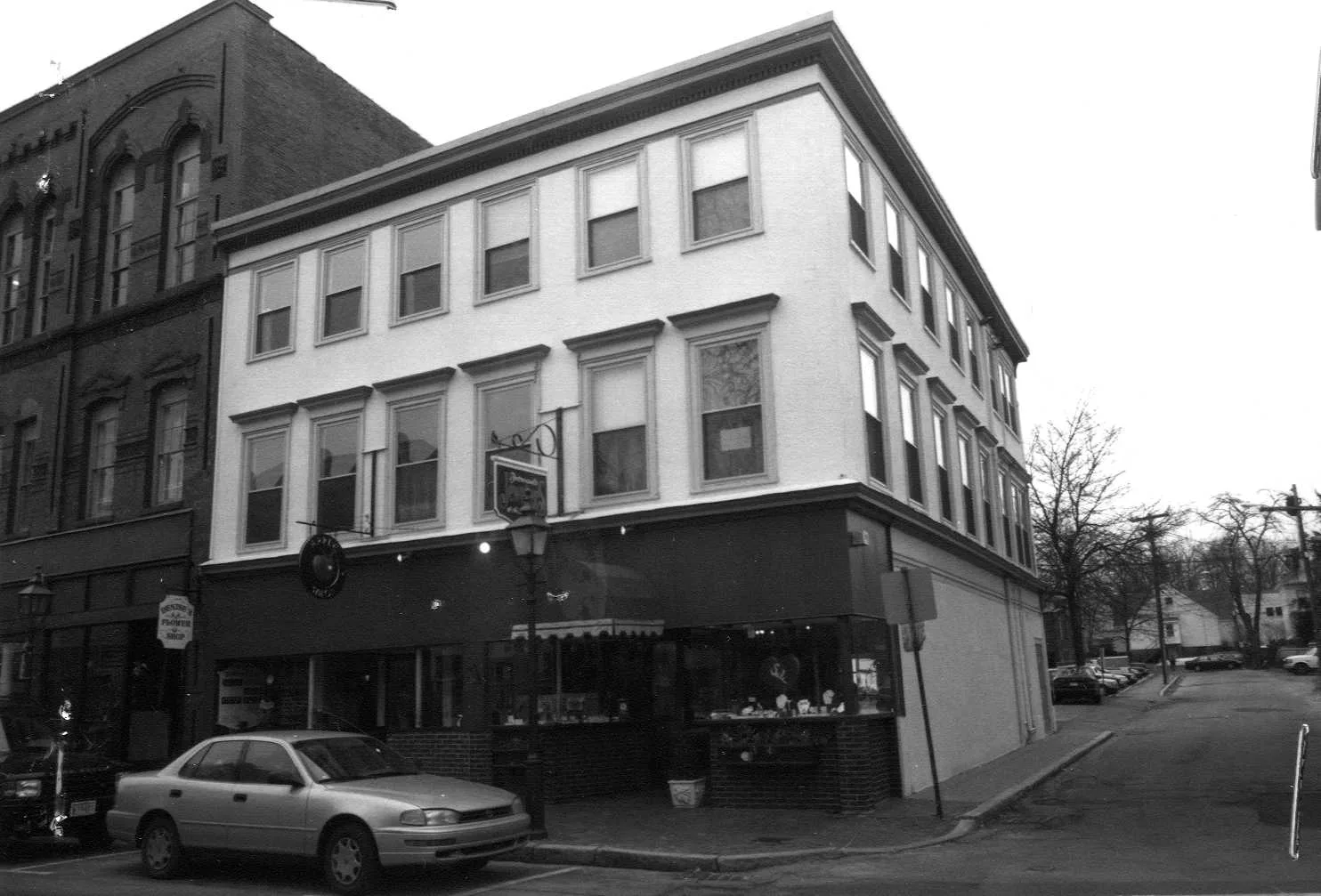
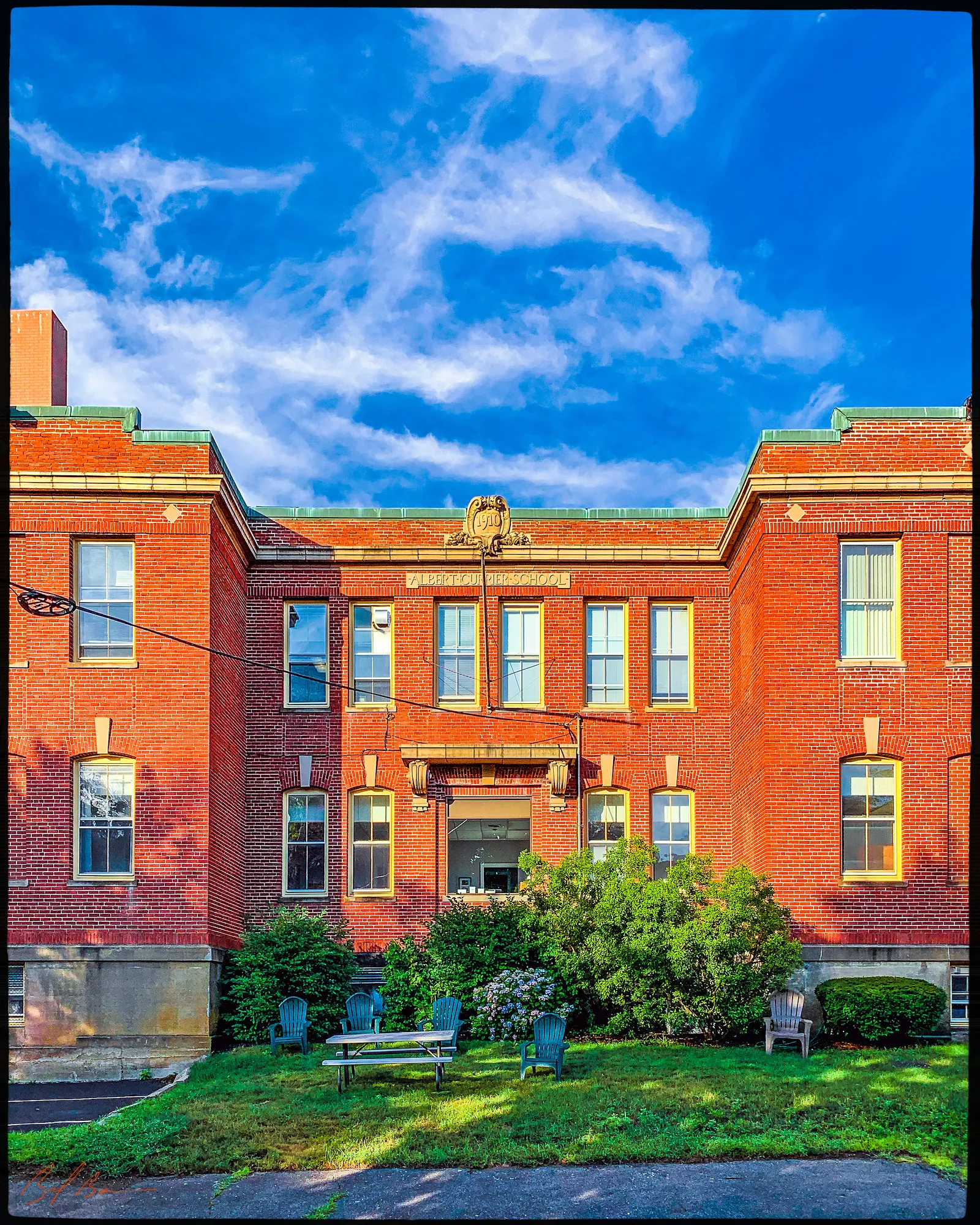
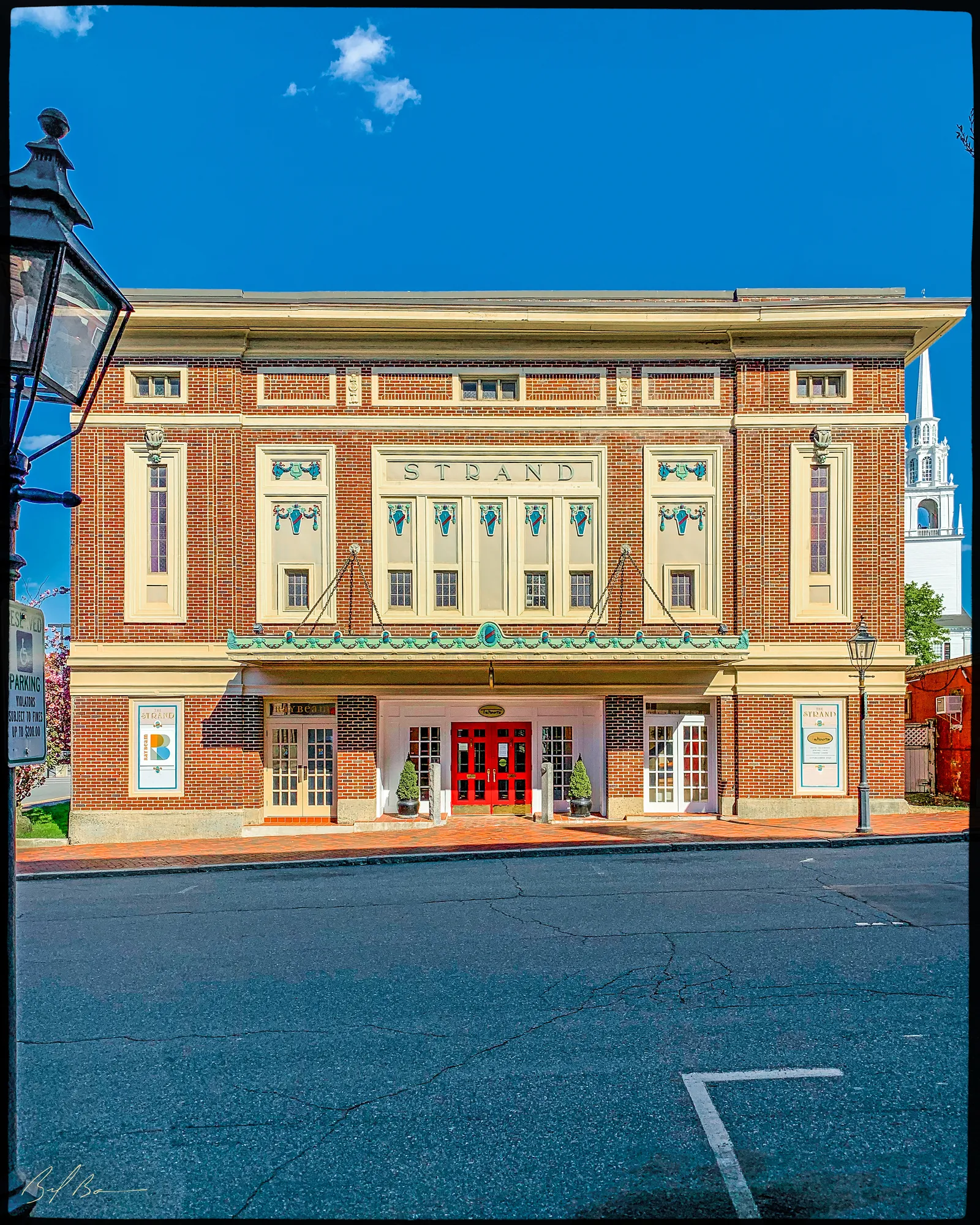
Also in the state inventory 1 building not yet researched
42–46 Milk Street
- 42–46 Milk Street c. 1915
Styles are as recorded on each building's page; a building whose page names two styles is listed under the one that fits its date, or under Victorian Eclectic when both are Victorian, with its own wording under its address. Buildings not yet researched show the state inventory's dates and styles. Hollow dots are lost buildings. Locations: MassGIS / Massachusetts Historical Commission.