Styles · 4 buildings with a page · 52 more in the state inventory, not yet researched
Craftsman
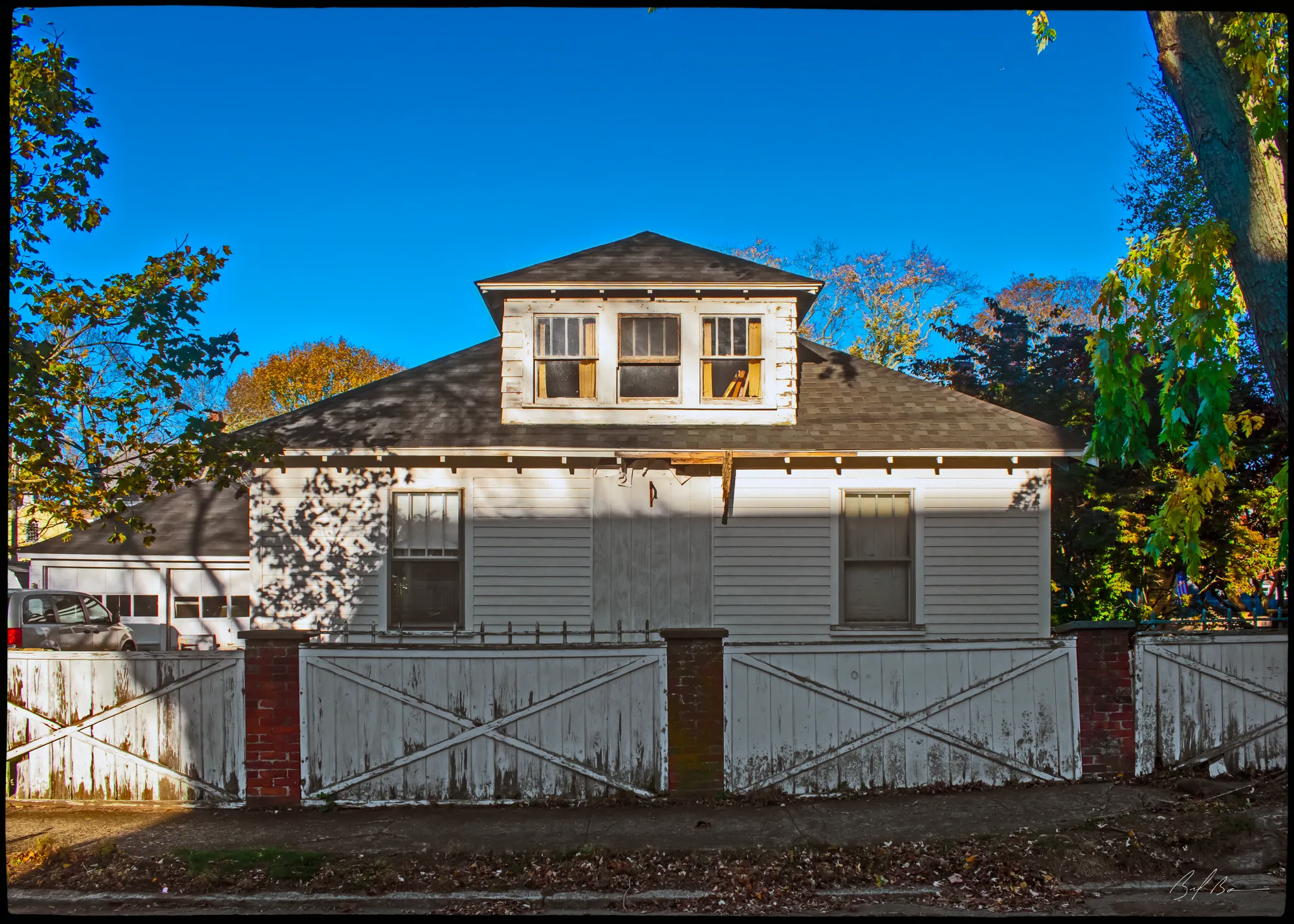
Low roofs, deep porches and exposed rafters: the bungalow and the foursquare.
- Usual dates
- 1905–1930
- In Newburyport
- c. 1915–1930
- Built 1900–1945
- 4
How to recognize it
- 01A low-pitched gable or hip roof with wide, unenclosed eaves
- 02Exposed rafter tails and decorative braces under the gables
- 03A deep front porch on tapered or battered piers
- 04Windows with a many-paned upper sash over a single lower pane
- 05Shingle or clapboard walls, sometimes with a stone or brick base
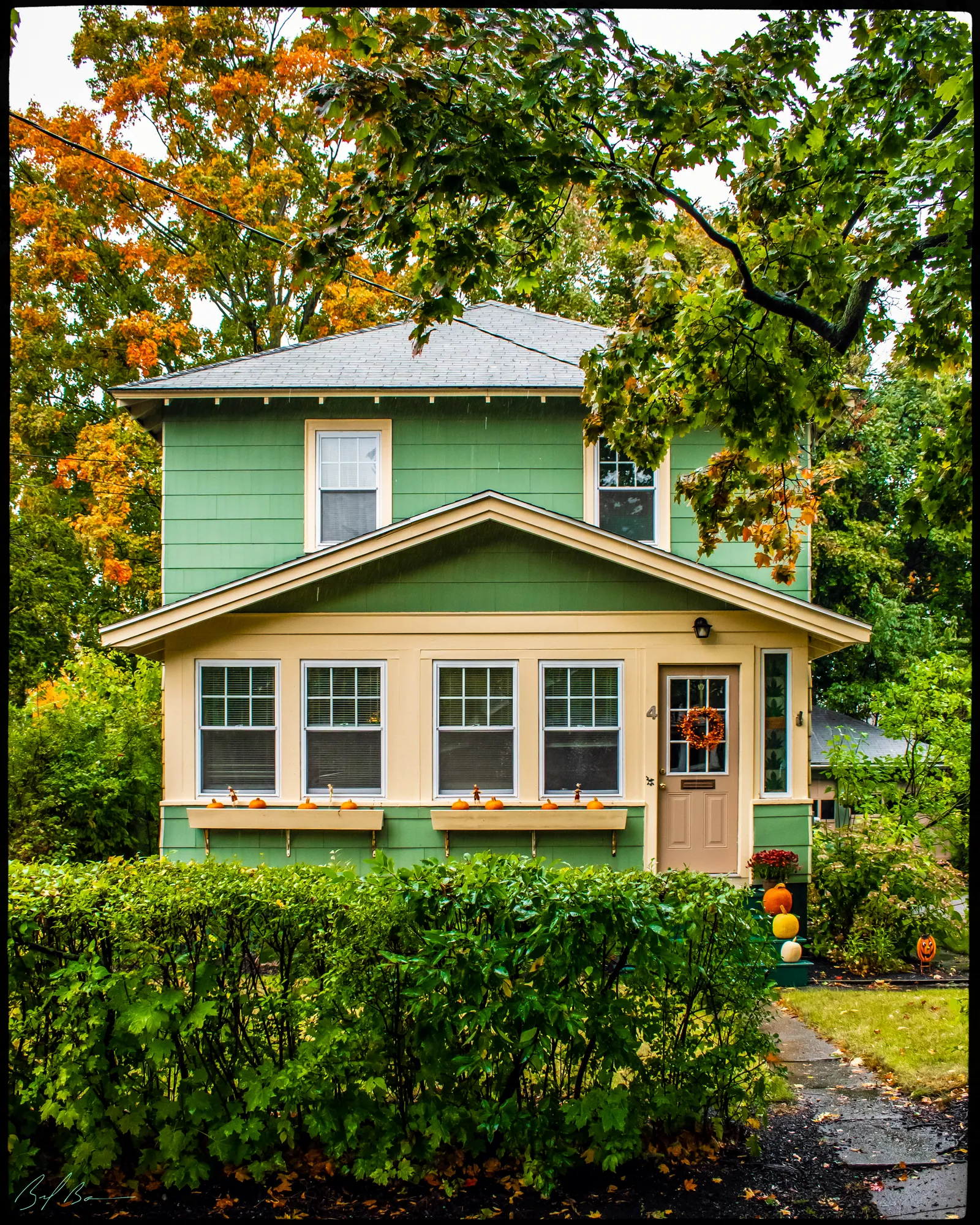
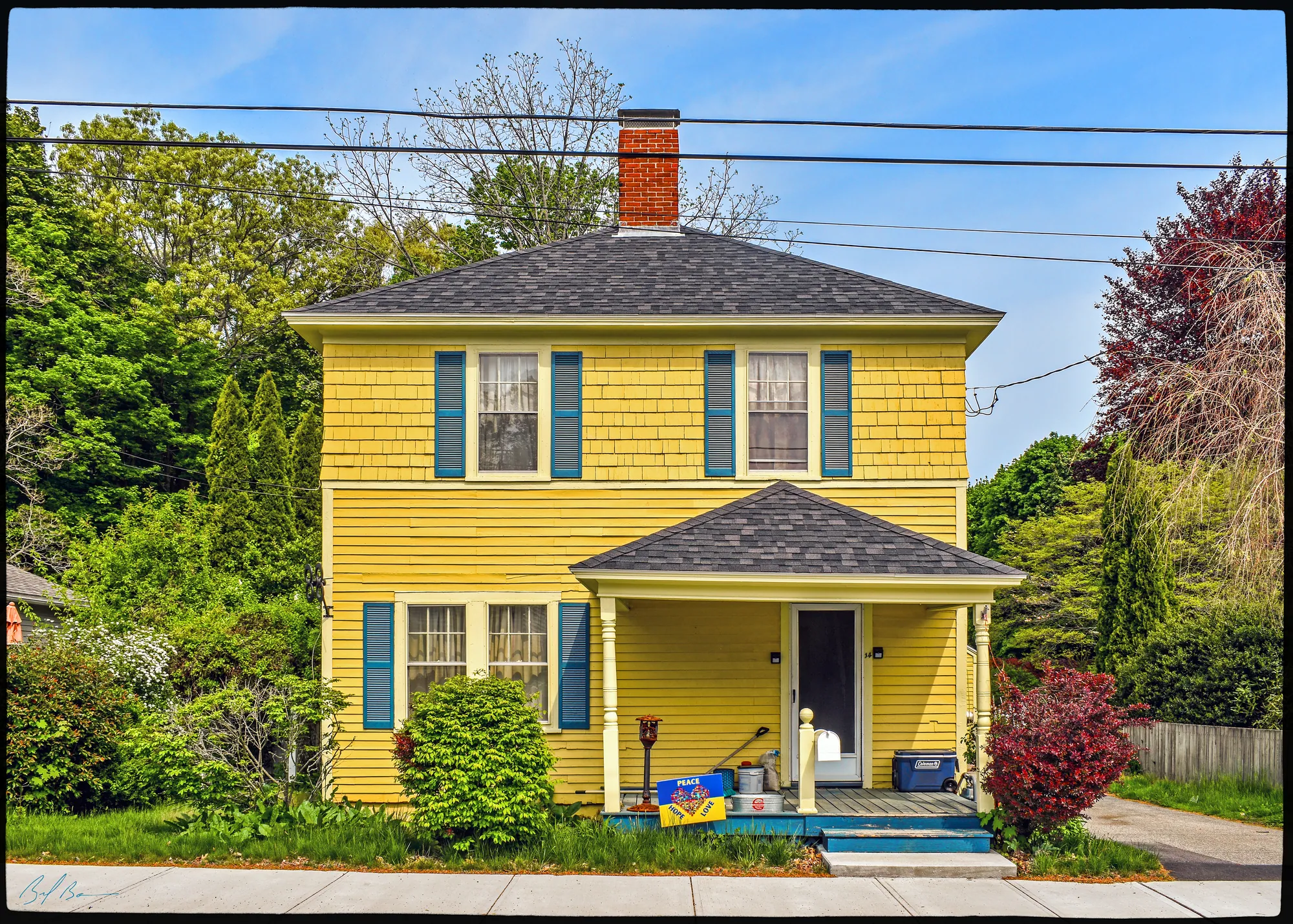
- 06Foursquare: a two-story cube with a hip roof and a hipped dormer
About the style
Craftsman houses show how they are built. Rafter tails run out under low-pitched, wide-eaved roofs, braces hold up the gables, and porches sit on tapered piers of brick or stone. The Arts and Crafts movement behind the style prized honest materials and handwork, and the houses are usually one or one-and-a-half stories, with the porch as the main feature.
The American Foursquare, a boxy two-story house with a hip roof and a central dormer, is grouped here: it was built in the same years and usually with Craftsman or plain Colonial Revival details.
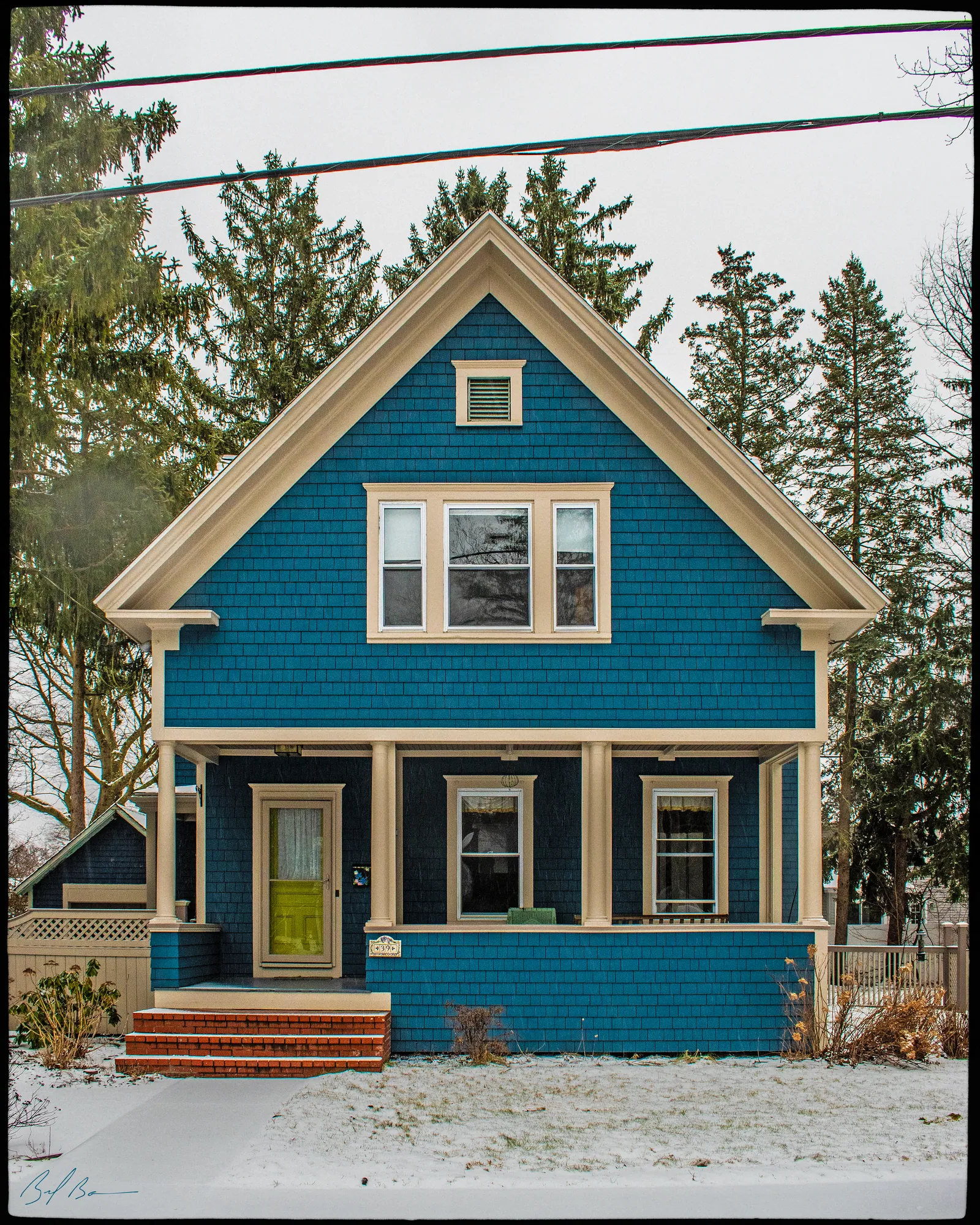
Craftsman in Newburyport
Also in the state inventory 52 buildings not yet researched
52–54 Marlboro Street
- 52–54 Marlboro Street c. 1925
Ashland Street
- 36 Ashland Street c. 1930
Beacon Street
- 1 Beacon Street c. 1920
Broad Street
- 23 Broad Street c. 1920
- 34 Broad Street c. 1920
- 36 Broad Street c. 1920
- 38 Broad Street c. 1920
- 40 Broad Street c. 1920
Bromfield Court
- 2 Bromfield Court c. 1930
Brooks Court
- 10 Brooks Court c. 1920
Buck Street
- 19 Buck Street c. 1915
Carter Street
- 4 Carter Street c. 1920
Chapel Street
- 12 Chapel Street c. 1922
Dexter Street
- 9 Dexter Street c. 1920
- 14 Dexter Street c. 1920
Dove Street
- 21 Dove Street c. 1930
Eagle Street
- 19 Eagle Street c. 1920
Forrester Street
- 3 Forrester Street c. 1930
- 7 Forrester Street c. 1920
High Street
- 246 High Street c. 1930
- 259 High Street c. 1910
- 265 High Street c. 1910
- 275 High Street c. 1925
- 289 High Street c. 1920
Howard Street
- 25 Howard Street c. 1920
Jackson Street
- 8 Jackson Street c. 1920
- 21 Jackson Street c. 1930
- 25 Jackson Street c. 1930
Lime Street
- 72 Lime Street c. 1910
- 89 Lime Street c. 1925
Madison Street
- 23 Madison Street c. 1915
Maple Street
- 2 Maple Street c. 1920
Marlboro Street
- 50 Marlboro Street c. 1925
Merrimac Street
- 199 Merrimac Street c. 1920
- 330 Merrimac Street c. 1920
Oakland Street
- Oakland Street c. 1915
- 46 Oakland Street c. 1920
Payson Street
- 4 Payson Street c. 1920
- 8 Payson Street c. 1920
- 10 Payson Street c. 1920
Purchase Street
- 65 Purchase Street Saint Peter's Unitarian Chapel c. 1933
School Street
- 4 School Street c. 1915
State Street
- 143A State Street c. 1920
- 150 State Street c. 1920
Tyng Street
- 31 Tyng Street c. 1920
- 33 Tyng Street c. 1920
- 35 Tyng Street c. 1920
- 37 Tyng Street c. 1920
- 39 Tyng Street c. 1920
Water Street
- Water Street American Yacht Club c. 1908
Woodland Street
- 28 Woodland Street c. 1915
- 30 Woodland Street c. 1915
Styles are as recorded on each building's page; a building whose page names two styles is listed under the one that fits its date, or under Victorian Eclectic when both are Victorian, with its own wording under its address. Buildings not yet researched show the state inventory's dates and styles. Hollow dots are lost buildings. Locations: MassGIS / Massachusetts Historical Commission.