19 styles · 606 buildings with a page · 1,527 more in the state inventory
Styles
Three centuries of building, from the post-and-beam houses of the 1600s to the Capes of the 1950s. Each style has a page: how to recognize it, and every building in it.
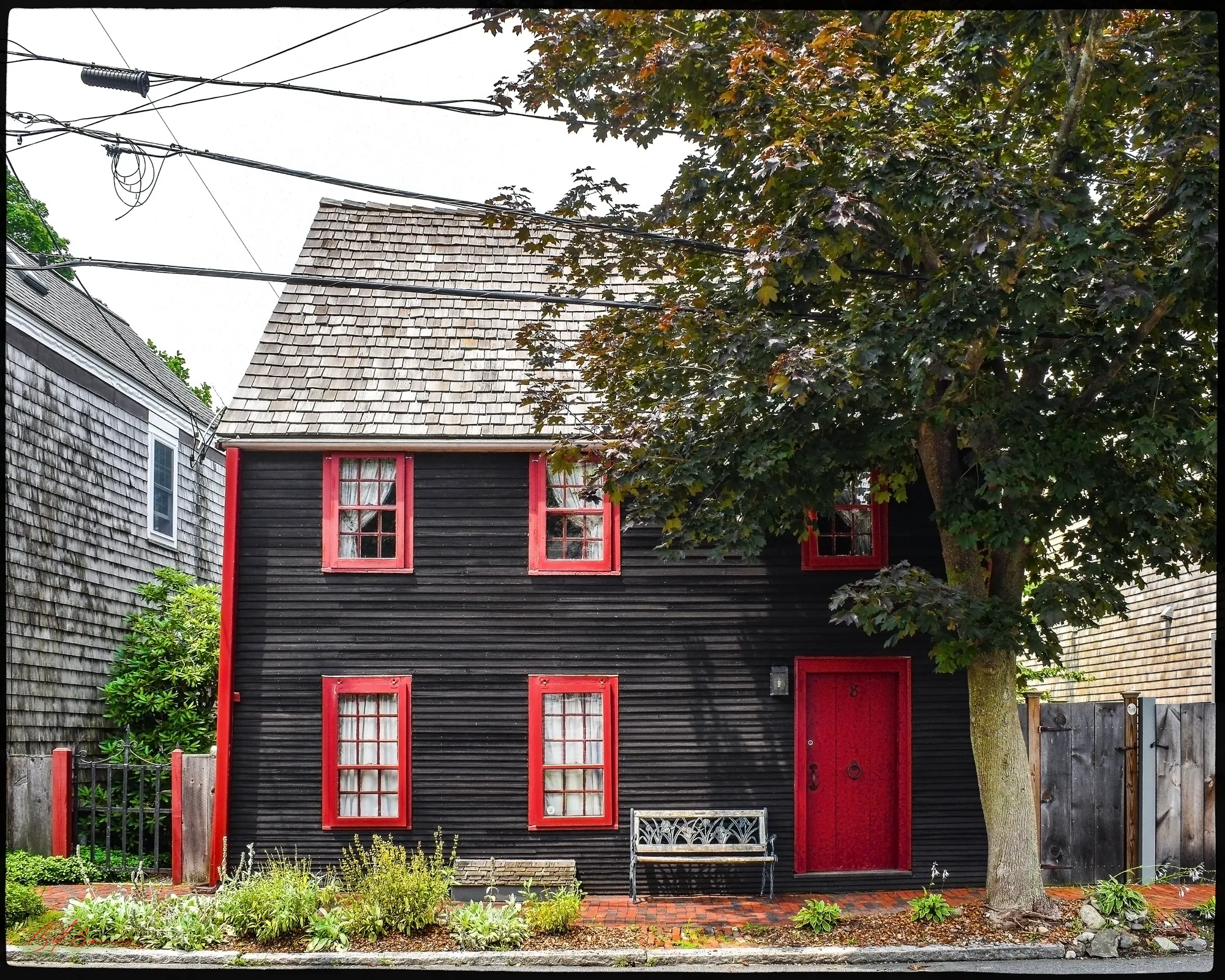 1625–1725First PeriodThe oldest houses: post-and-beam frames, steep roofs and one great chimney.
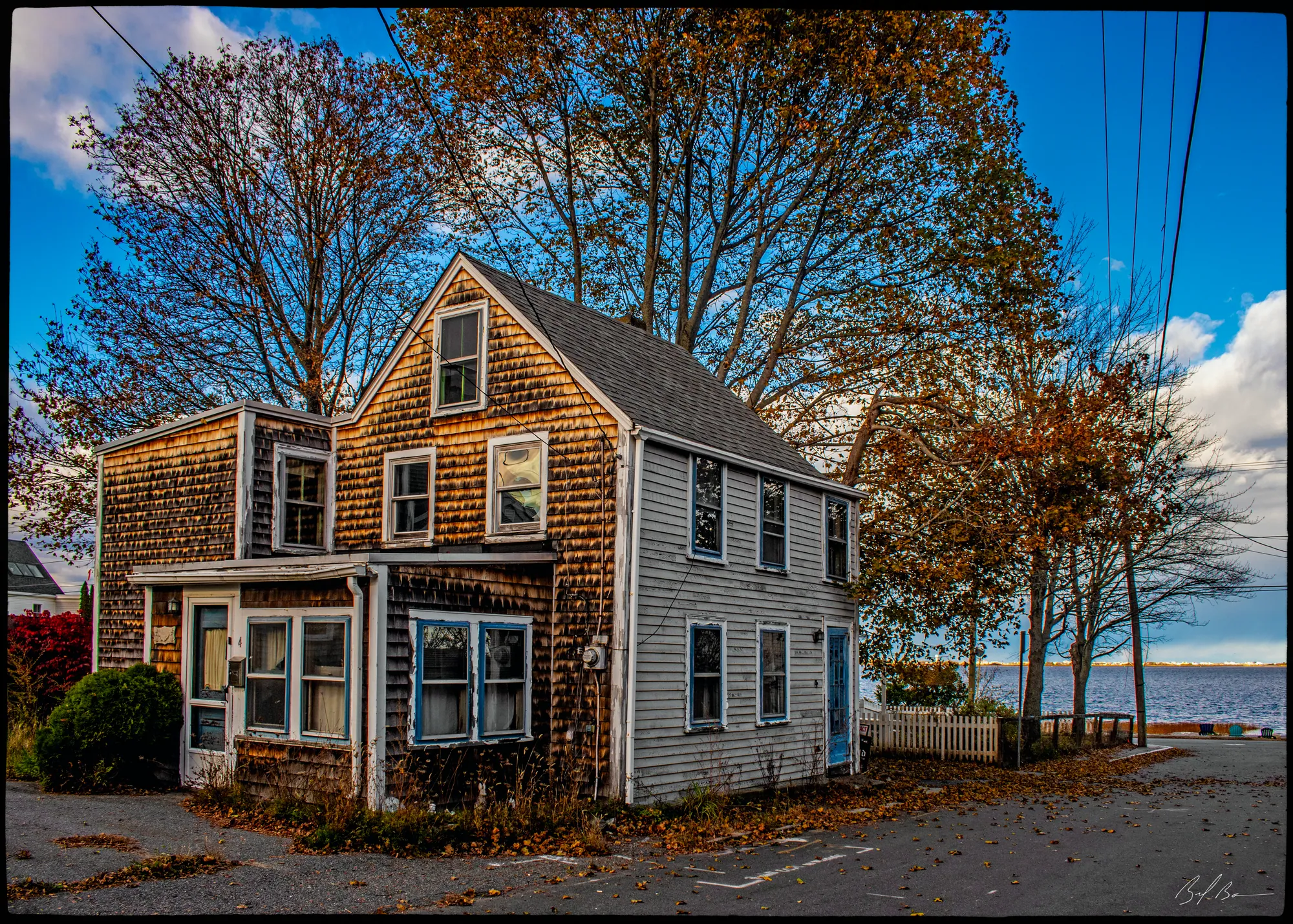 1700–1790ColonialThe plain central-chimney and gambrel houses of the 1700s, built by the pattern rather than the pattern book.
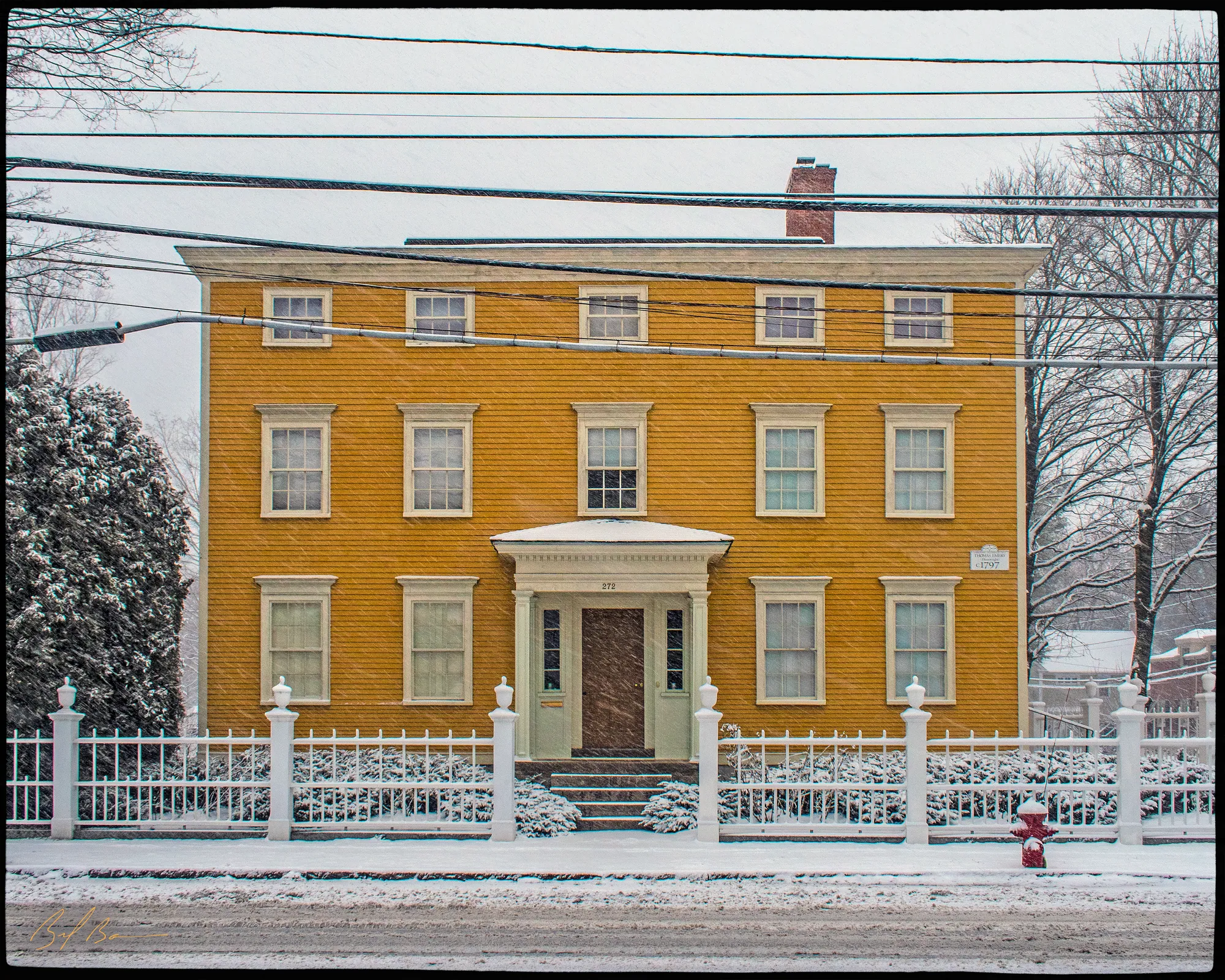
 1720–1790GeorgianSymmetry arrives: the five-bay front, the centered door and the classical cornice.
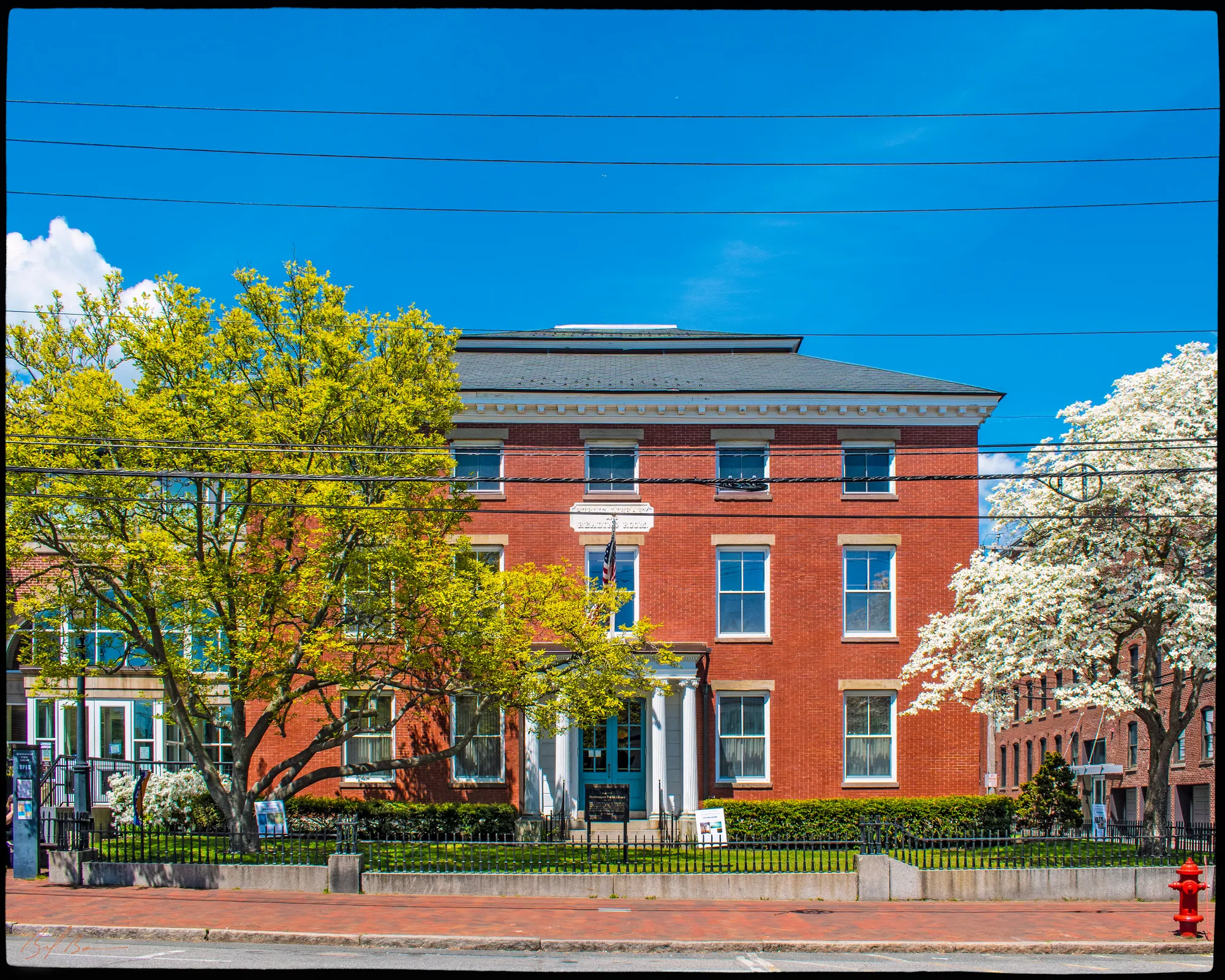
 1780–1830FederalNewburyport's signature style: the three-story brick house, the fanlight and the balustraded hip roof.
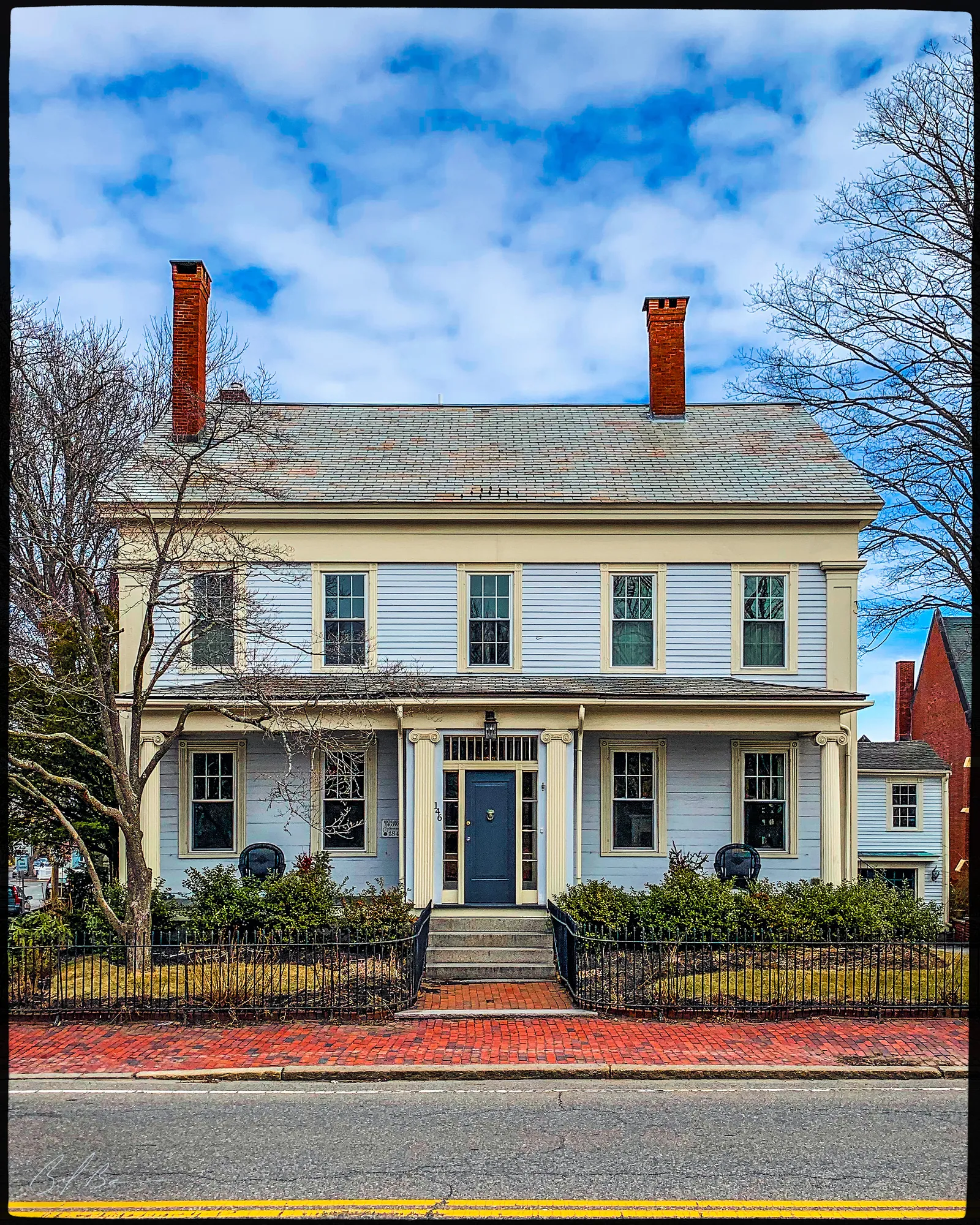 1825–1860Greek RevivalThe house turns its gable to the street and puts on a temple front.
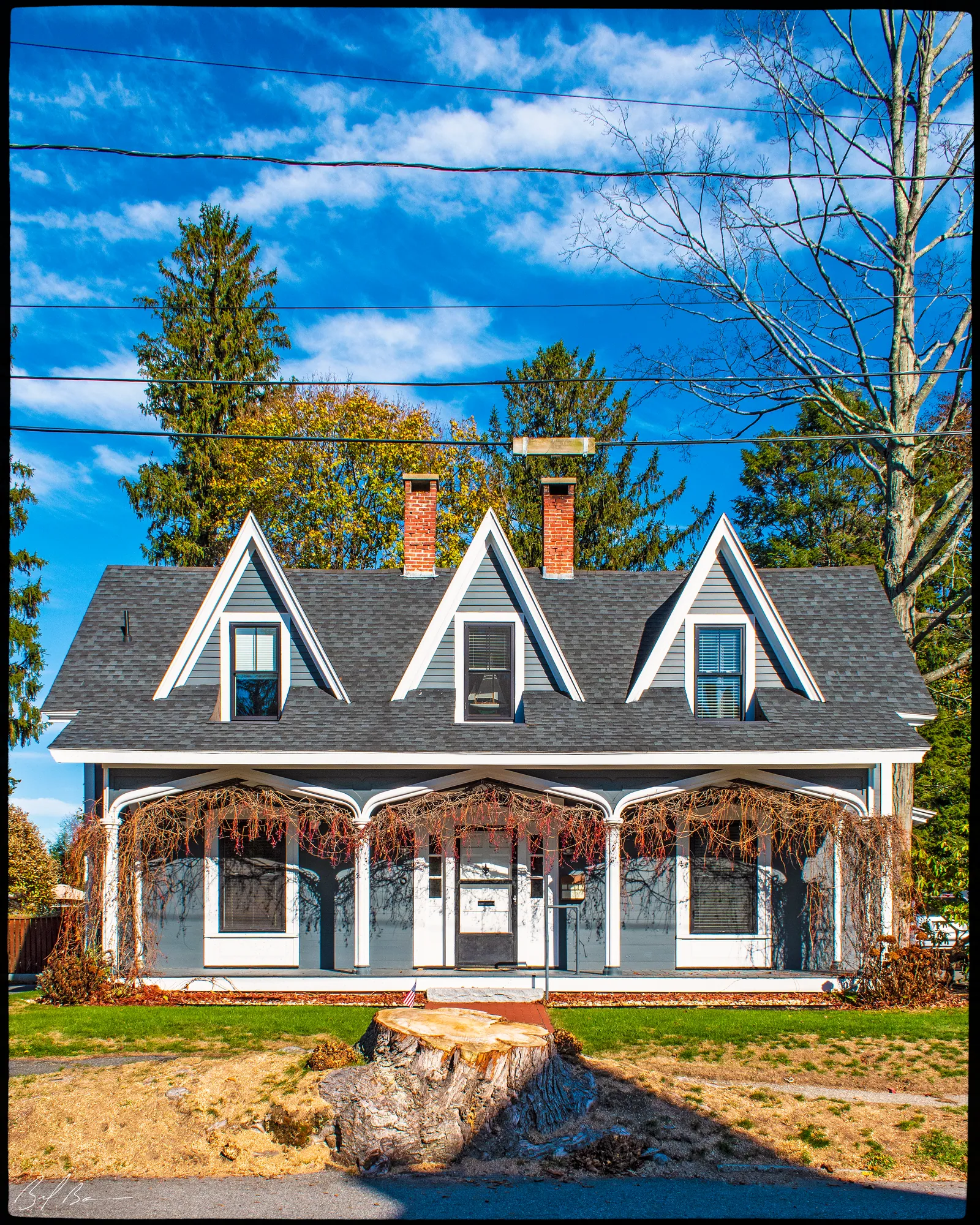 1840–1880Gothic RevivalPointed arches and steep gables, from board-and-batten cottages to polychrome churches.
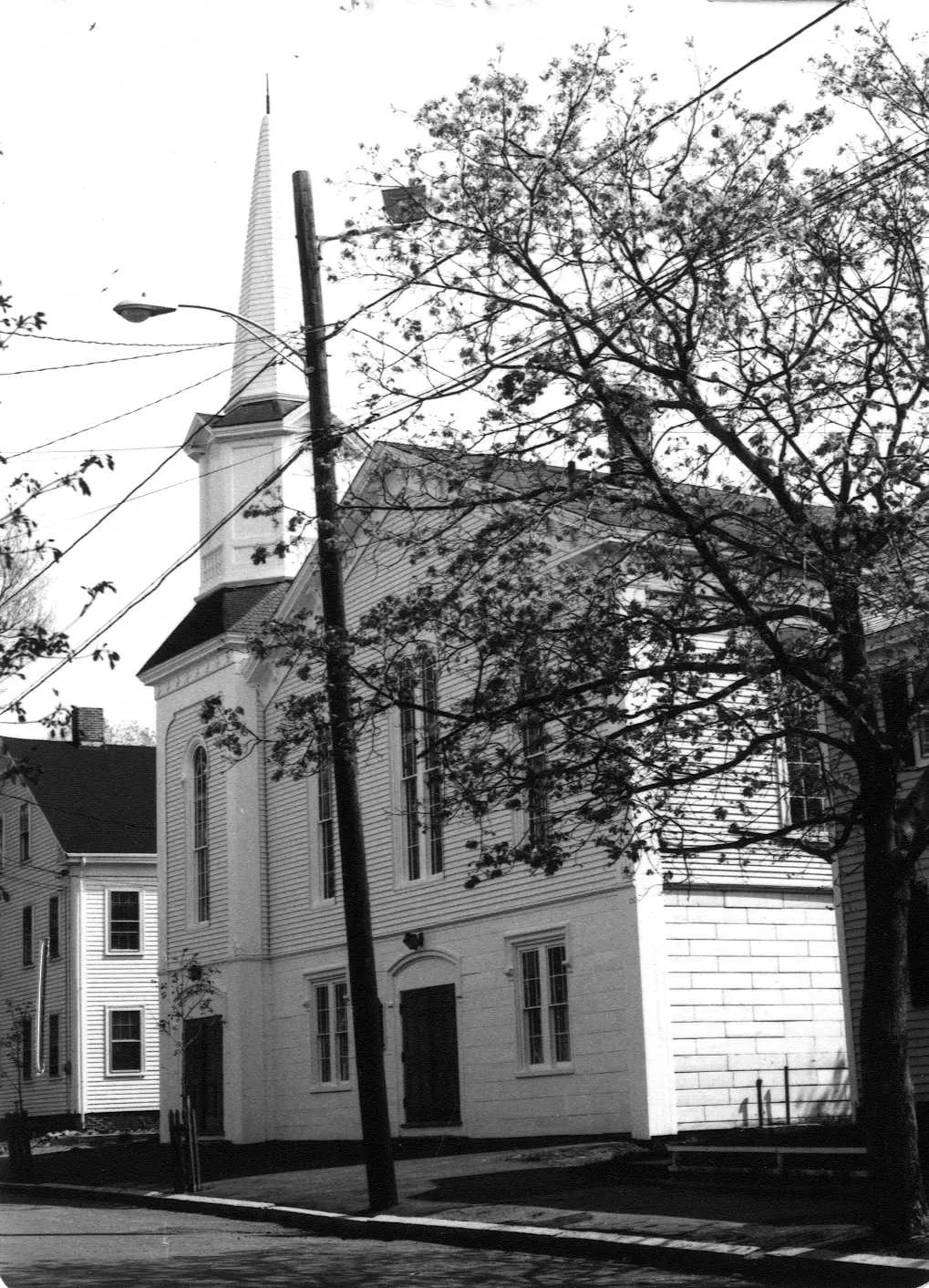 1840–1930Renaissance RevivalThe Italian palazzo as a model: a symmetrical block with a heavy cornice and arched windows.
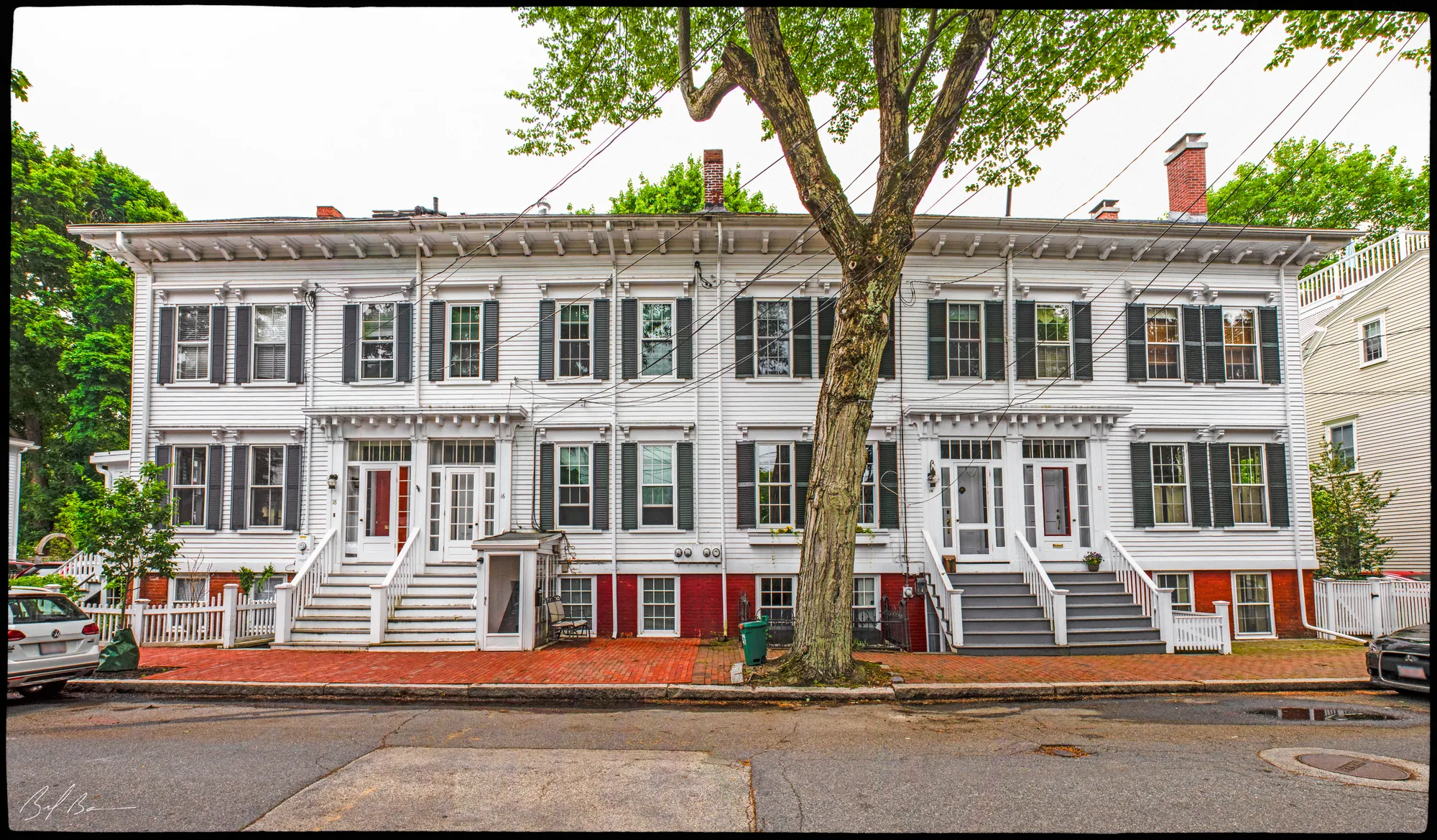 1845–1885ItalianateBrackets under the eaves, tall windows with hoods, and the downtown brick blocks of the 1850s to 1880s.
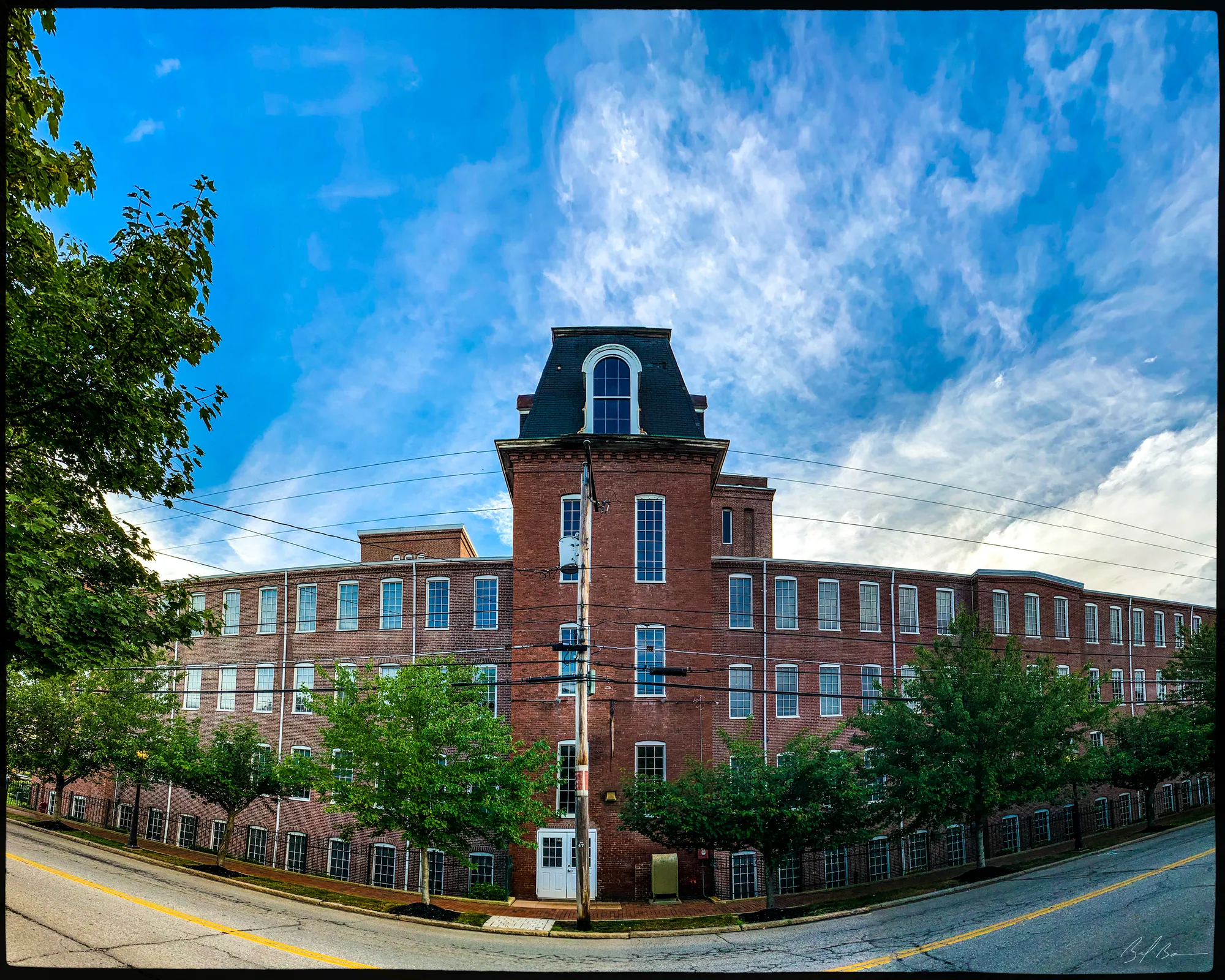 1860–1885Second EmpireThe mansard roof: a full extra story hidden under a steep, dormered slope.
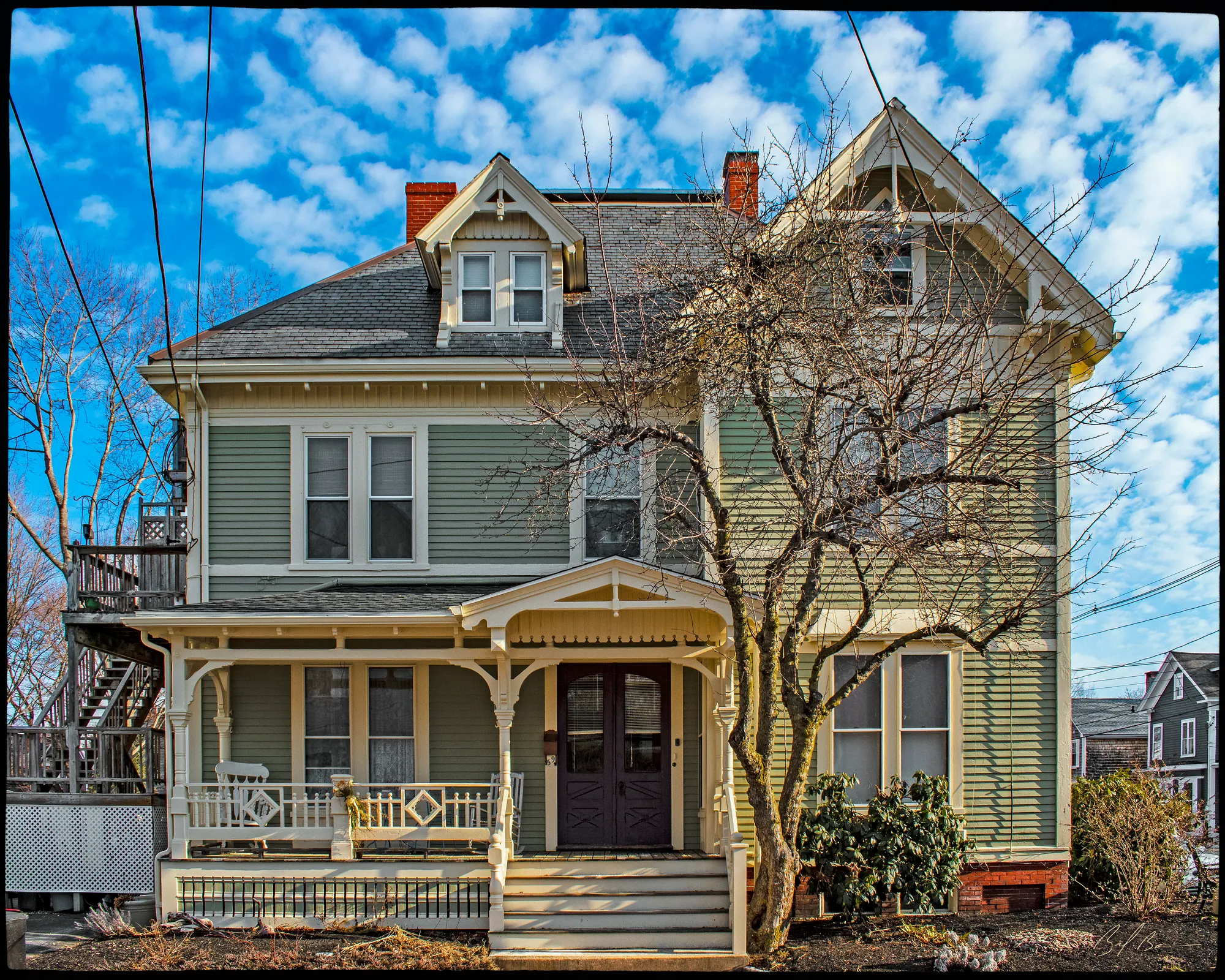 1860–1890StickBoards applied over the clapboards to suggest the frame inside.
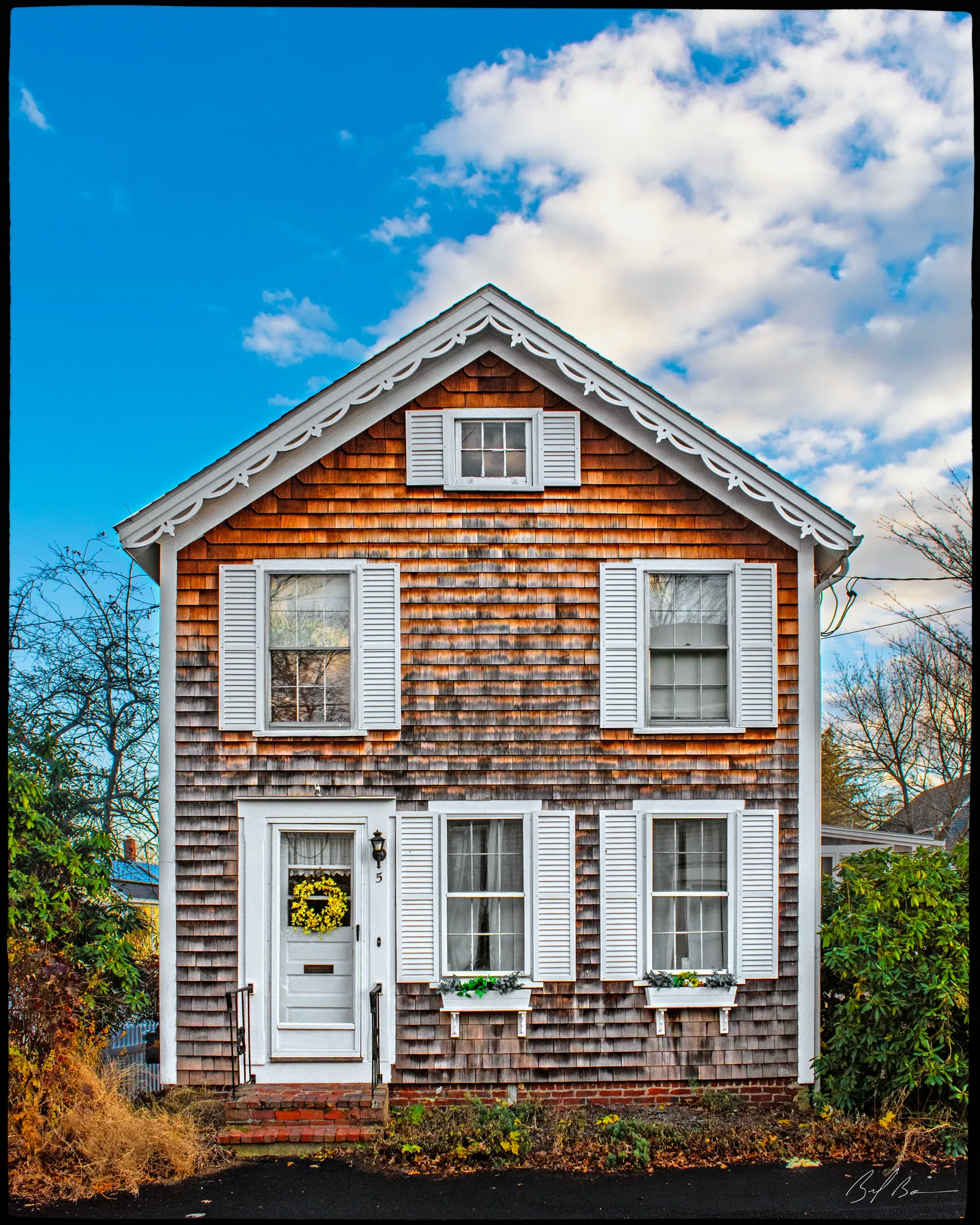 1860–1900Victorian EclecticLate-nineteenth-century houses that borrow from several styles at once.
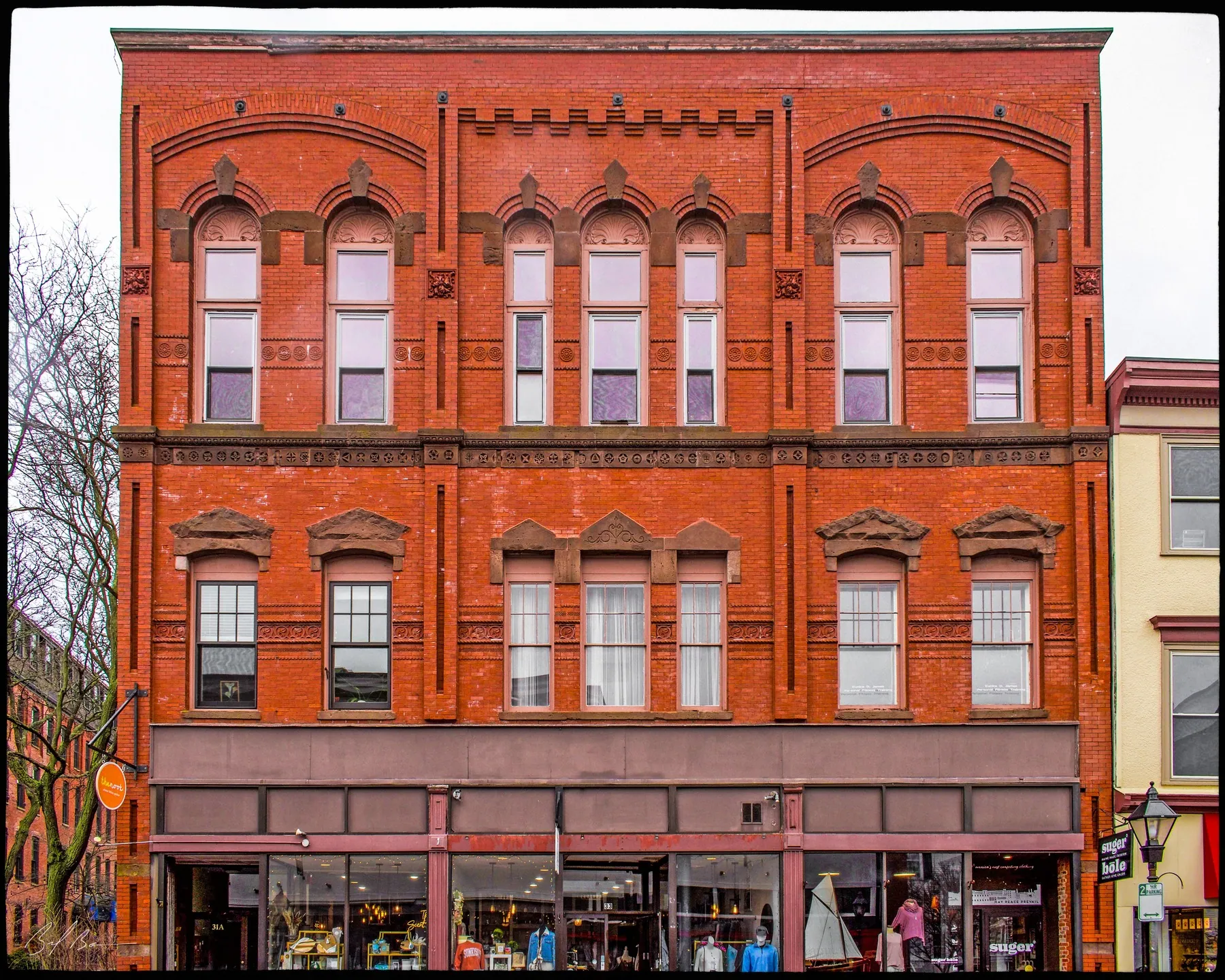 1880–1905Queen AnneAsymmetry, towers, patterned shingles and a porch that wraps the corner.
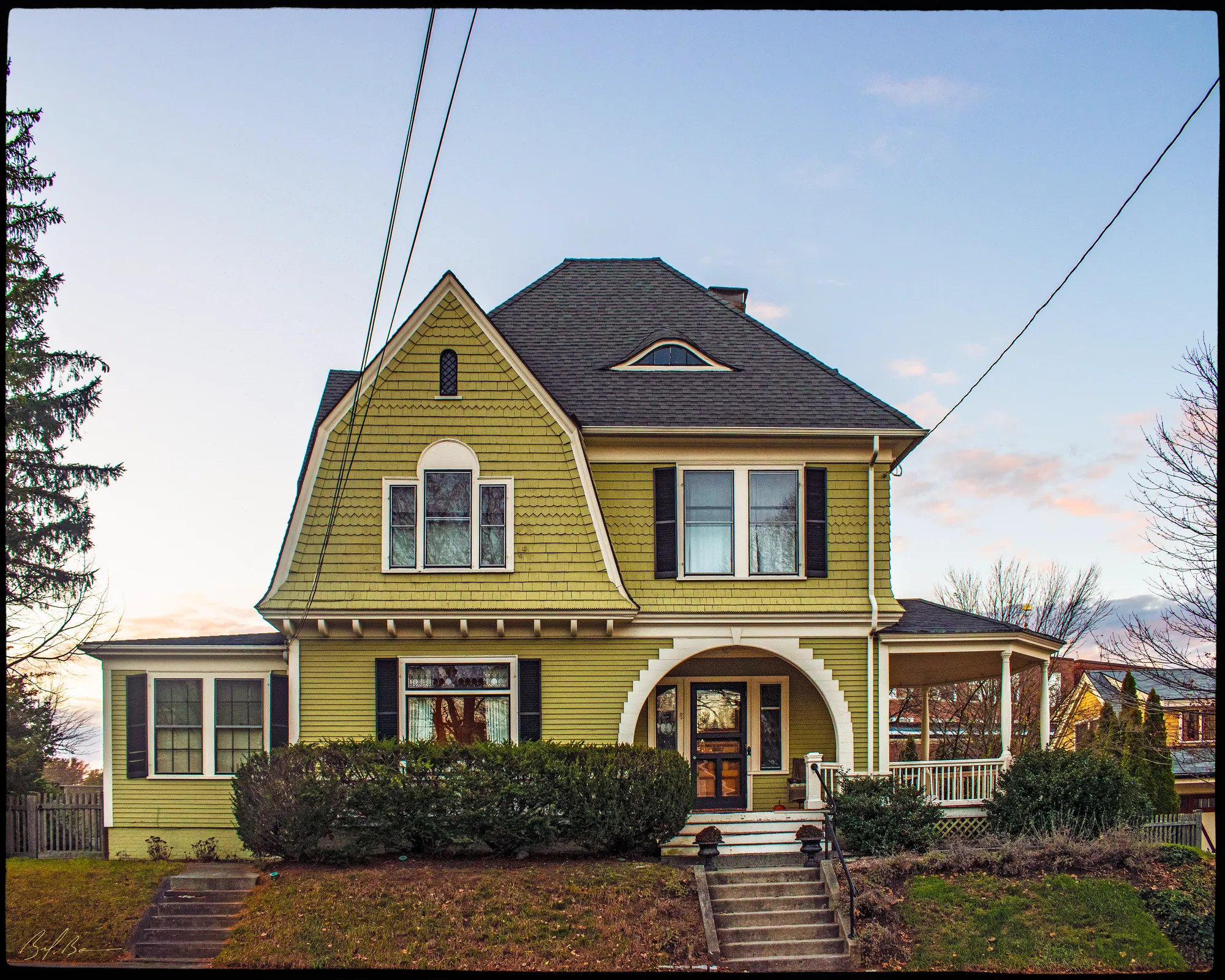 1880–1905ShingleA continuous skin of shingles pulled over broad roofs and simple, massive forms.
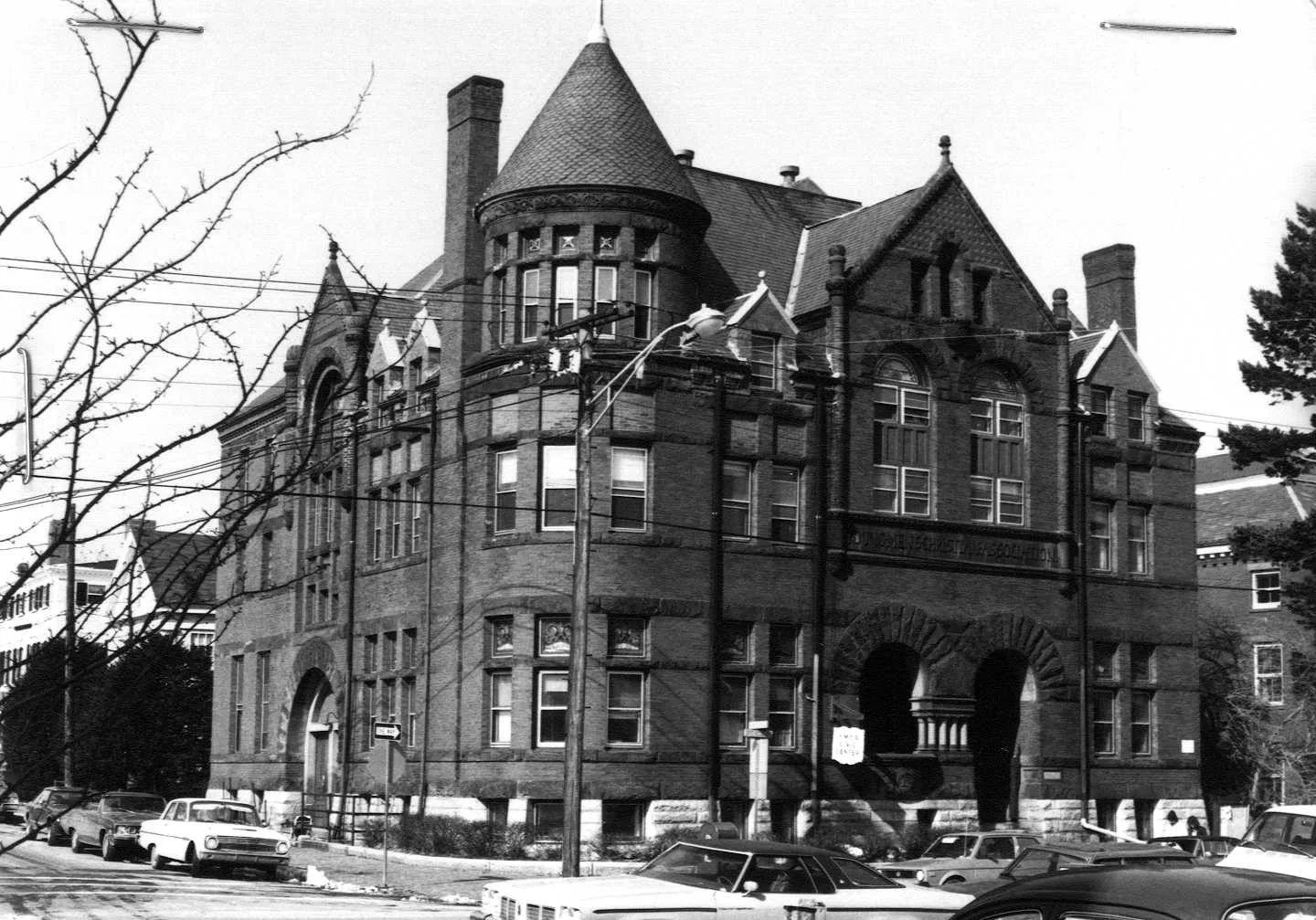 1880–1900Richardsonian RomanesqueRough-faced stone and deep round arches, in the manner of H. H. Richardson.
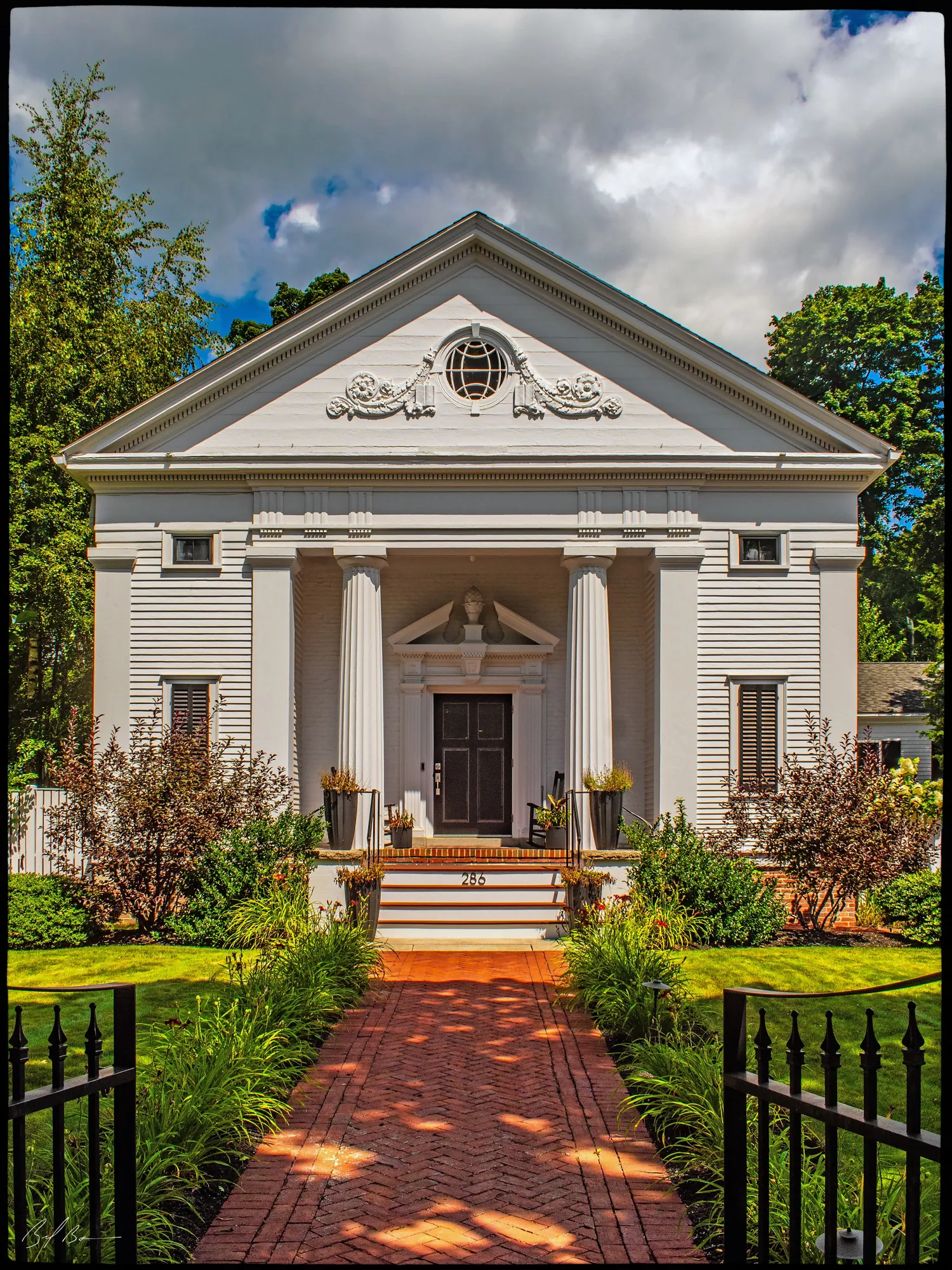 1880–1955Colonial RevivalThe old town's own styles revived: Georgian and Federal forms at a larger scale.
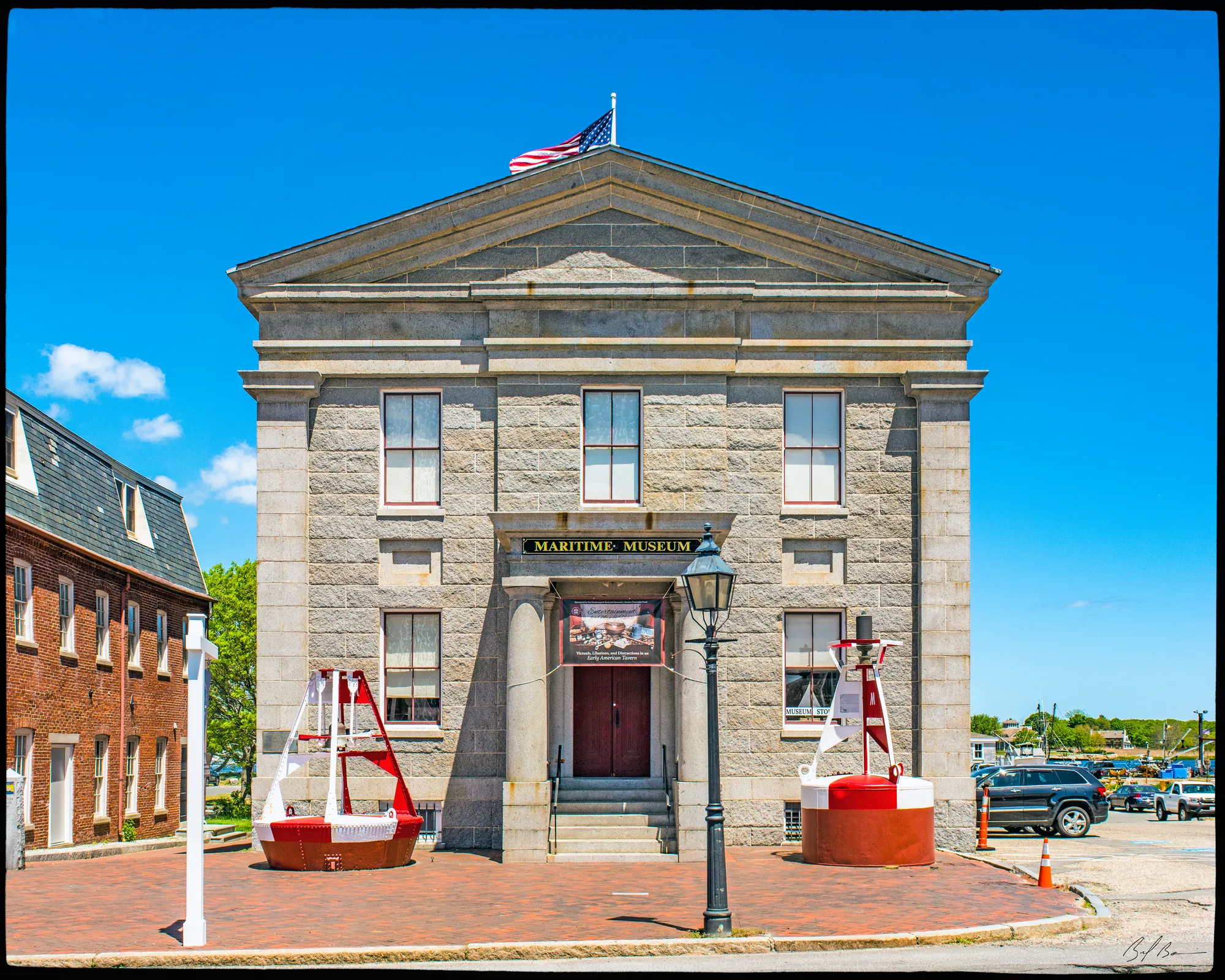 1895–1930Classical RevivalMonumental columns and porticos, for banks, public buildings and a few grand houses.
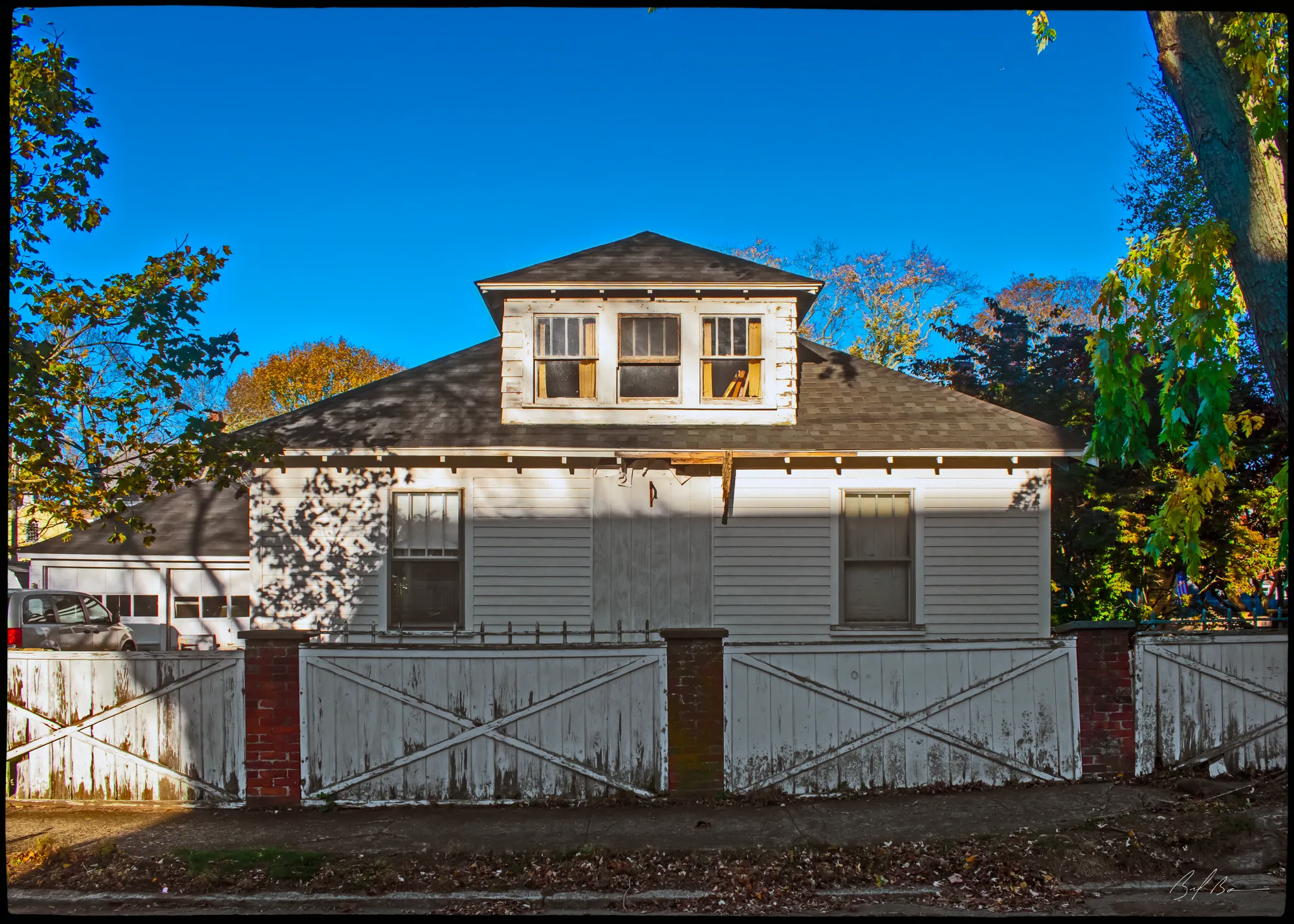 1905–1930CraftsmanLow roofs, deep porches and exposed rafters: the bungalow and the foursquare.
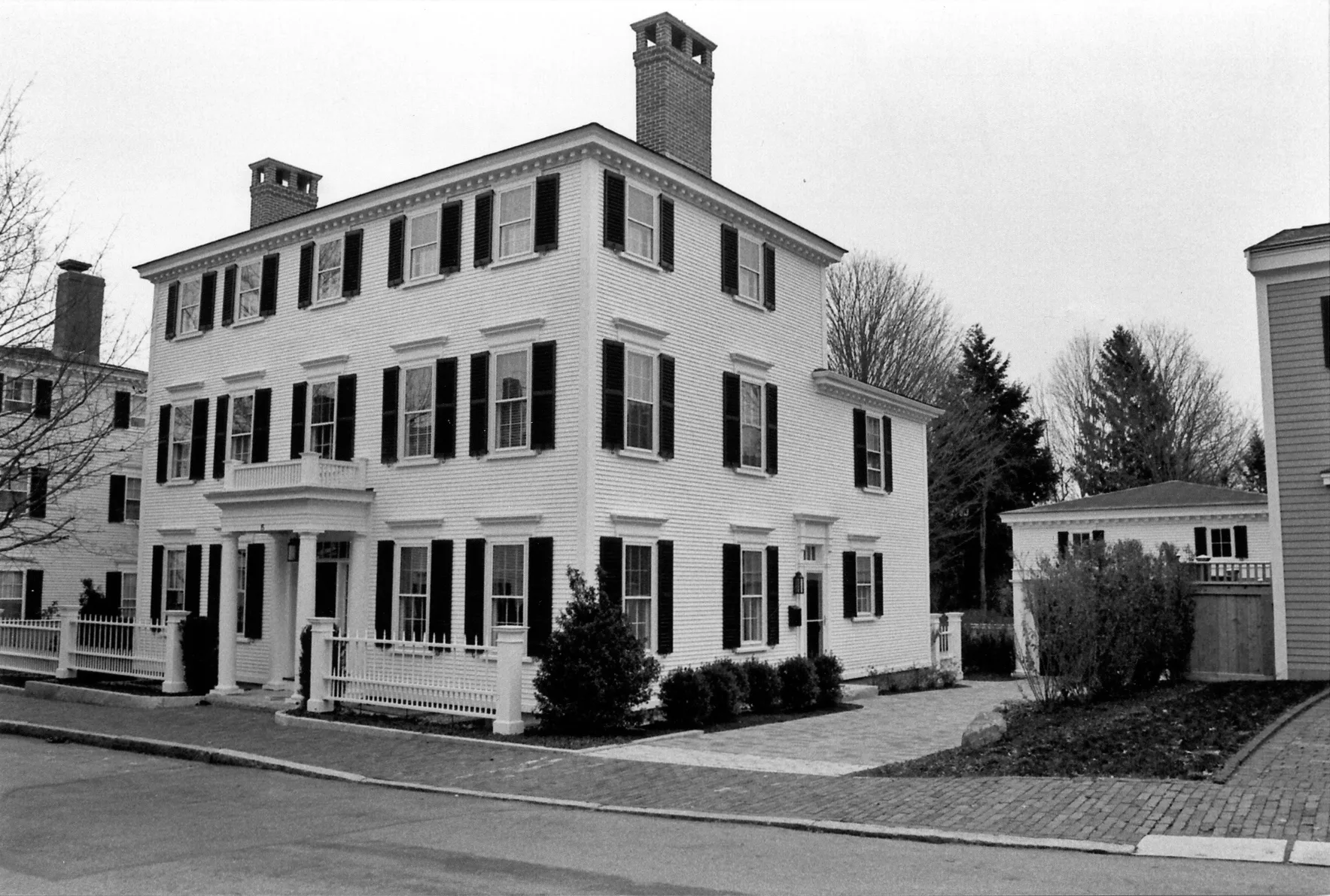 Since 1945Postwar TraditionalCapes, colonials and ranches built after 1945 in a simplified traditional dress.
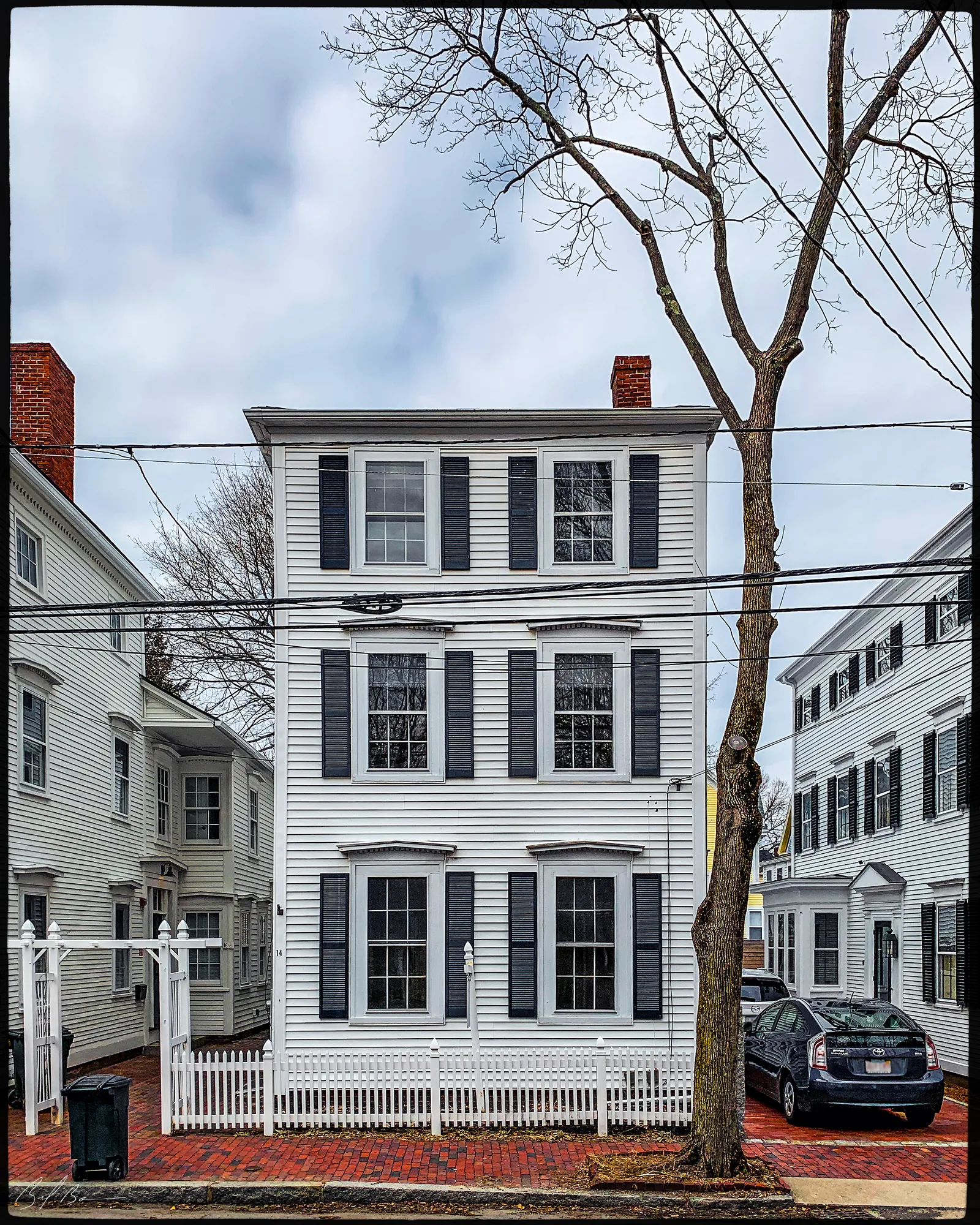 Any periodVernacularBuildings built to a plain builder's pattern, with the trim of no particular style.
Bars show when each style's buildings were built:Before 17751775–18301830–18601860–19001900–1945Since 1945
Styles are as recorded on each building's page; where a page names two styles, the building is listed under the one that fits its date. Dates are the years the style was usual nationally; each style page says when Newburyport built it.