Styles · 24 buildings with a page
Vernacular
Buildings built to a plain builder's pattern, with the trim of no particular style.
- Usual dates
- Any period
- In Newburyport
- c. 1762–1890
- Built Before 1775
- 3
- Built 1775–1830
- 6
- Built 1830–1860
- 4
- Built 1860–1900
- 10
- Built 1900–1945
- 1
How to recognize it
- 01A plain rectangular form with a pitched roof and no cornice ornament
- 02Simple flat board trim around doors and windows
- 03Window sash that date the building: 12-over-12 or 9-over-6 before 1800, 6-over-6 to about 1860, 2-over-2 after
- 04A chimney placement that shows the plan: central, end, or in the ridge of a tenement
- 05Shops and stores with a flat front and a plain parapet
- 06Later alterations that hide an earlier building
About the style
Vernacular is not a style but the absence of one: the workers' cottages, tenements, shops, sheds and stores that were built to a local pattern without the ornament that would tie them to a fashion. The state inventory uses the label for buildings of every period. They are dated by their form, their chimneys, the proportion of their windows and the number of panes in the sash rather than by any detail.
On this site the label also covers buildings the inventory calls astylistic, and a few Biff records as having no style.
Vernacular in Newburyport
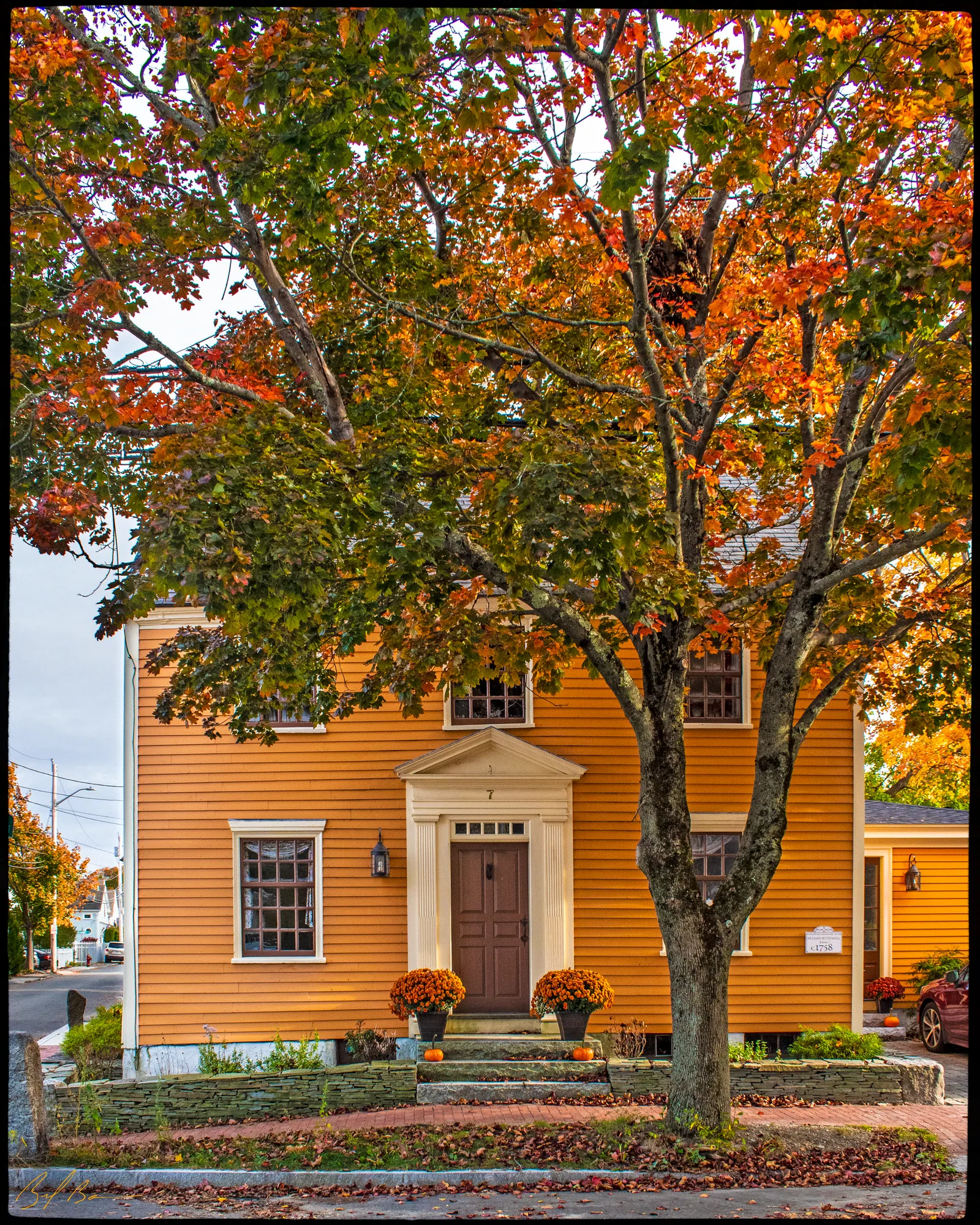 c. 17587 Marlboro StreetRichard Pettingell House
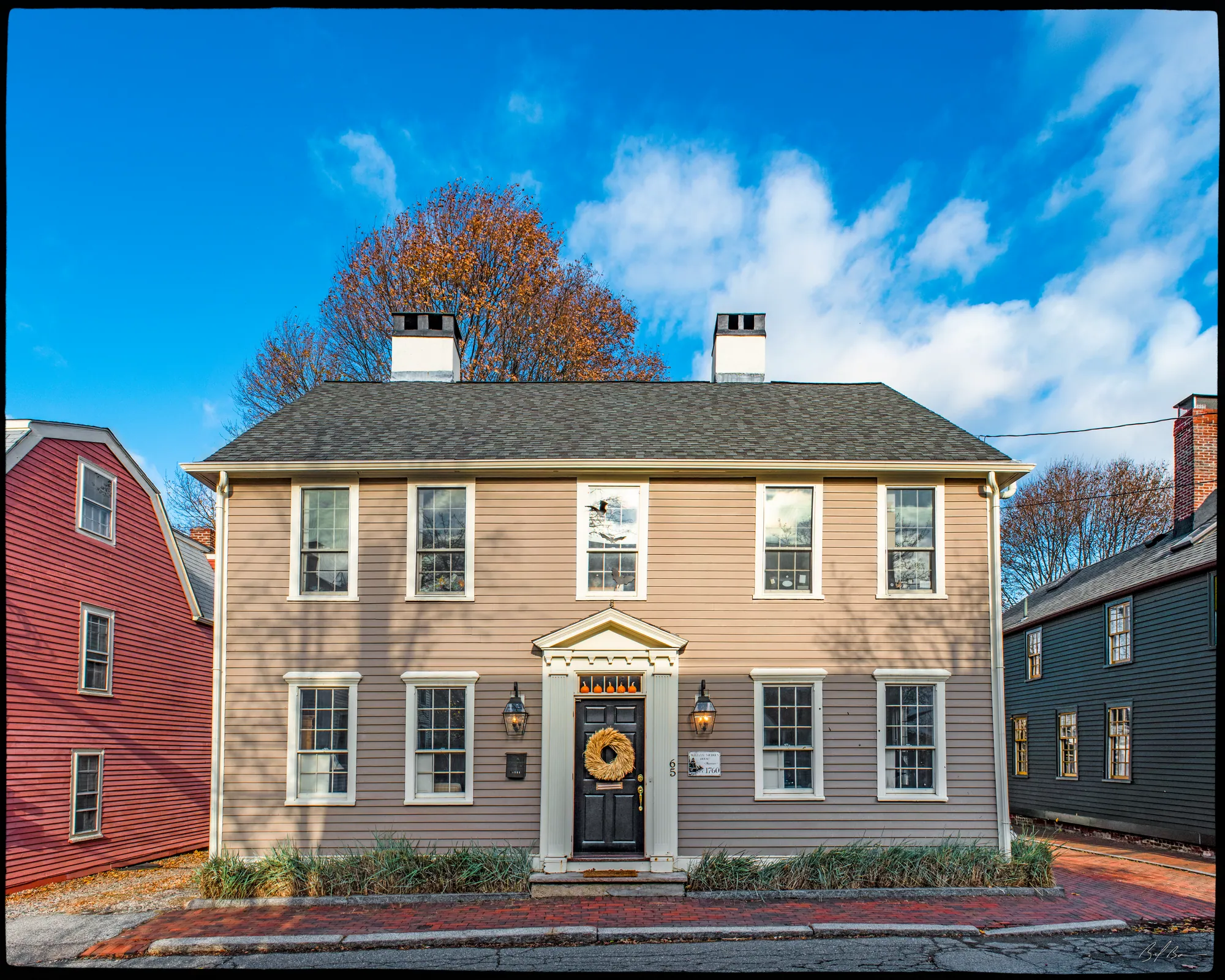 c. 176065 Middle StreetWilliam Nichols House
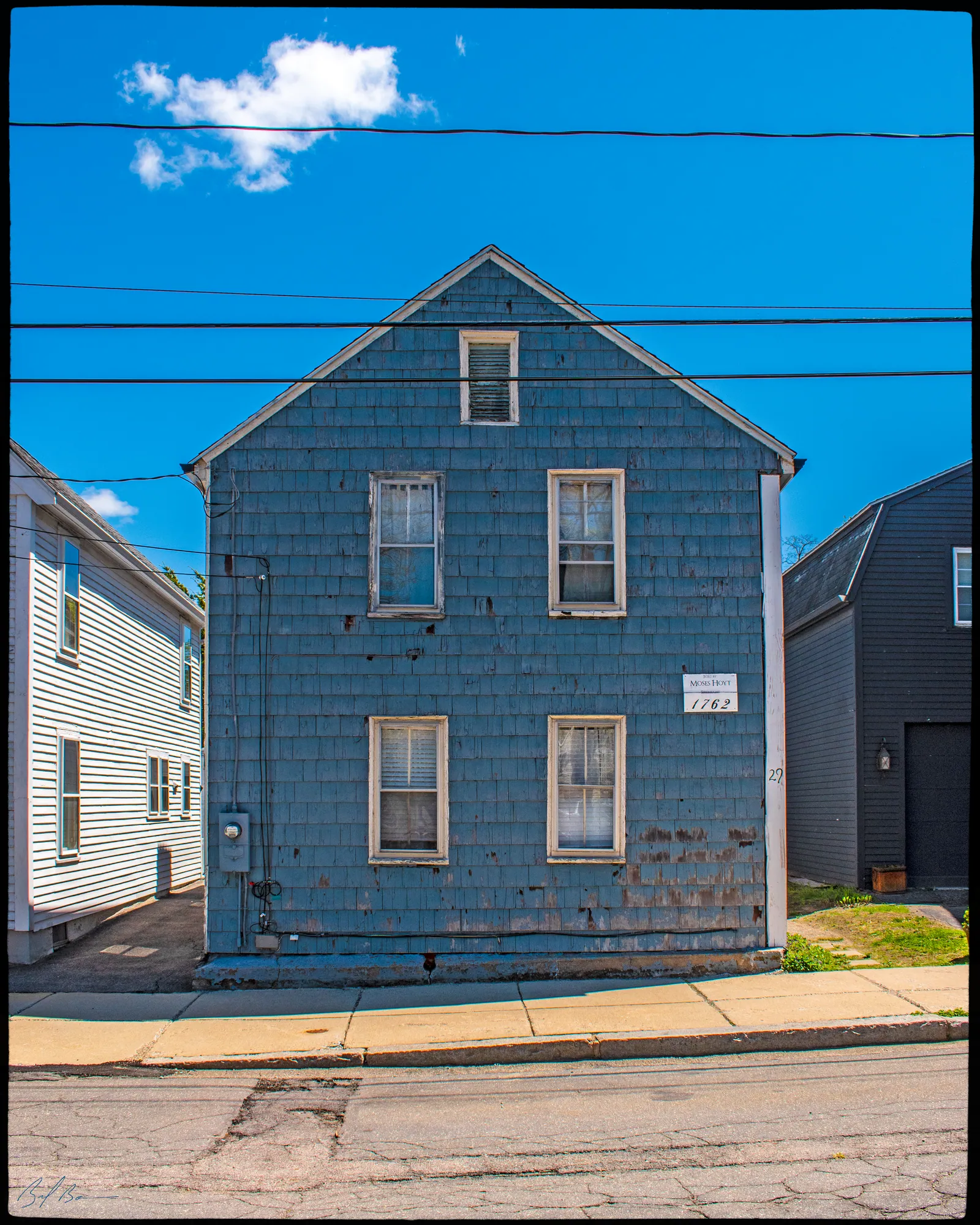 c. 176229 Summer StreetMoses Hoyt House
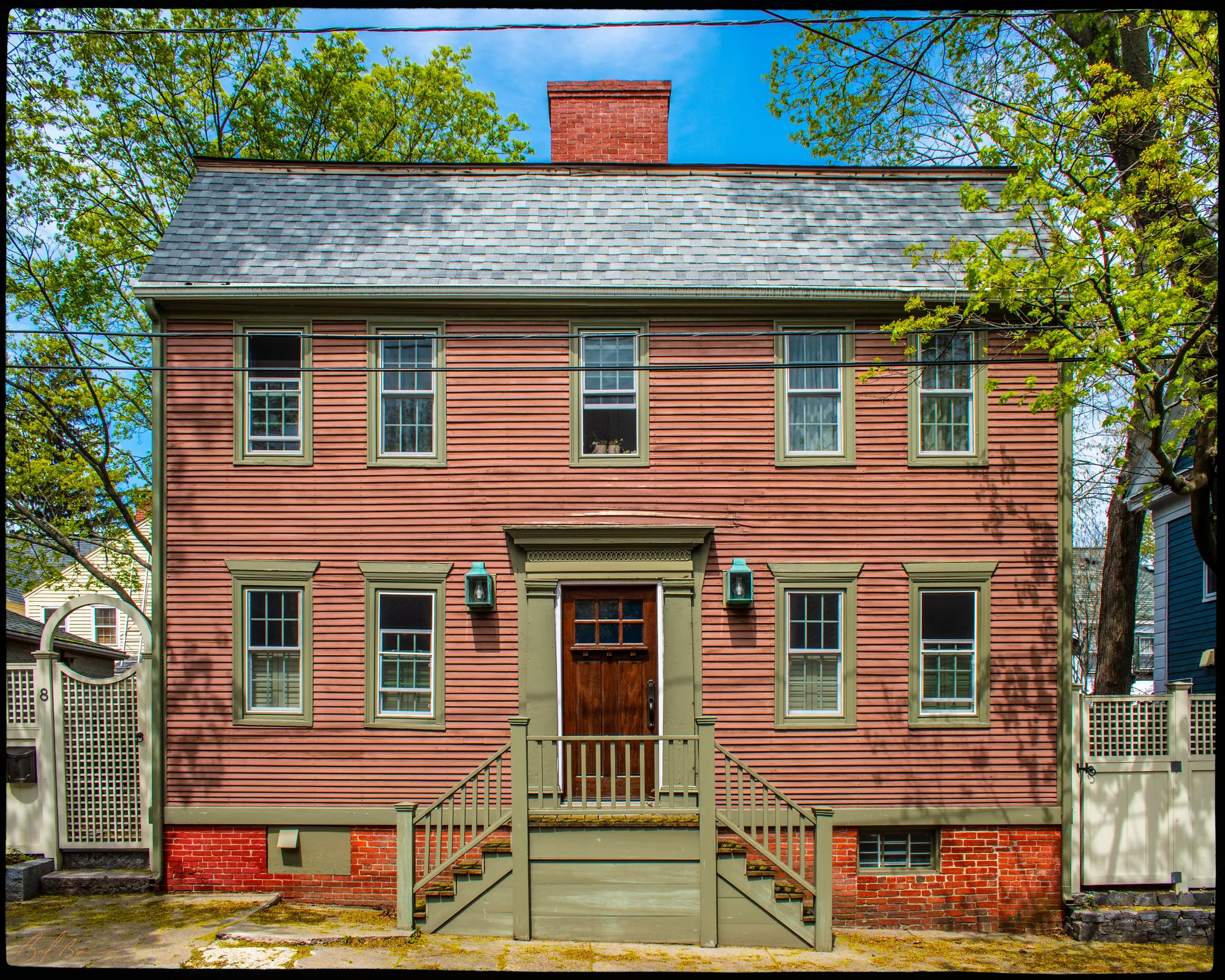 c. 17758 Olive StreetNathaniel Sargent House
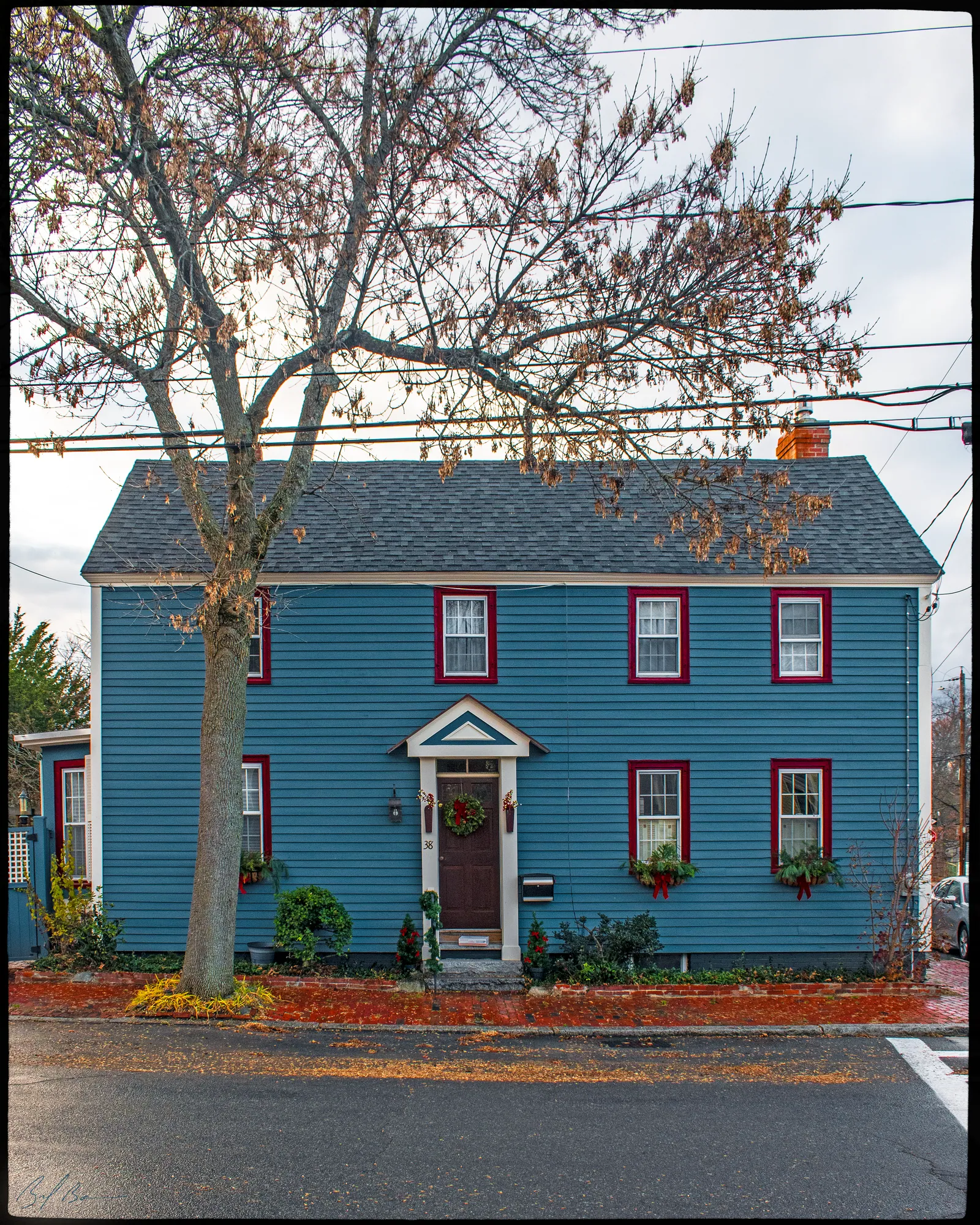 c. 1790–180338 Market StreetSilas Rodgers House
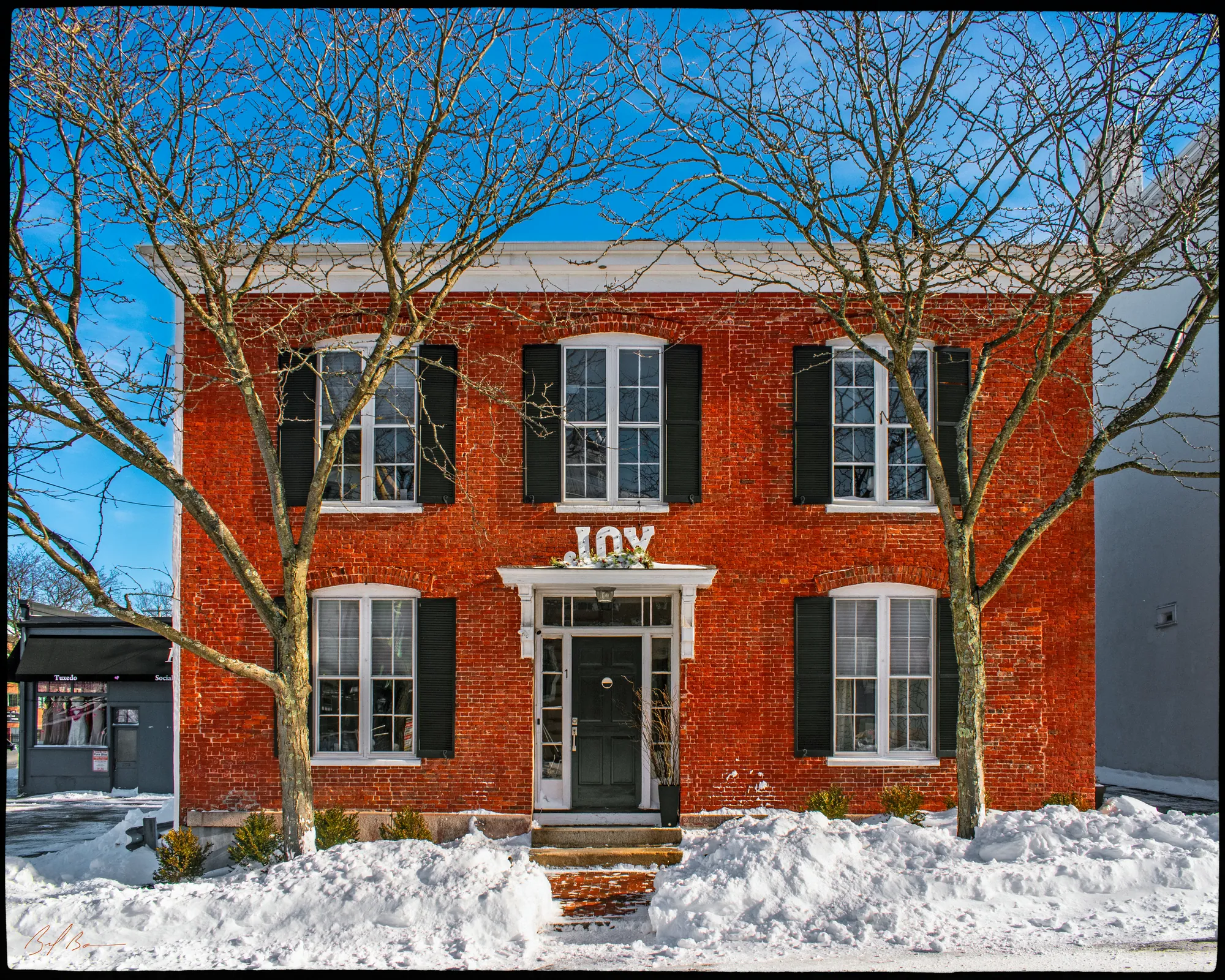 c. 17951 Market StreetJohn B. Pritchard House
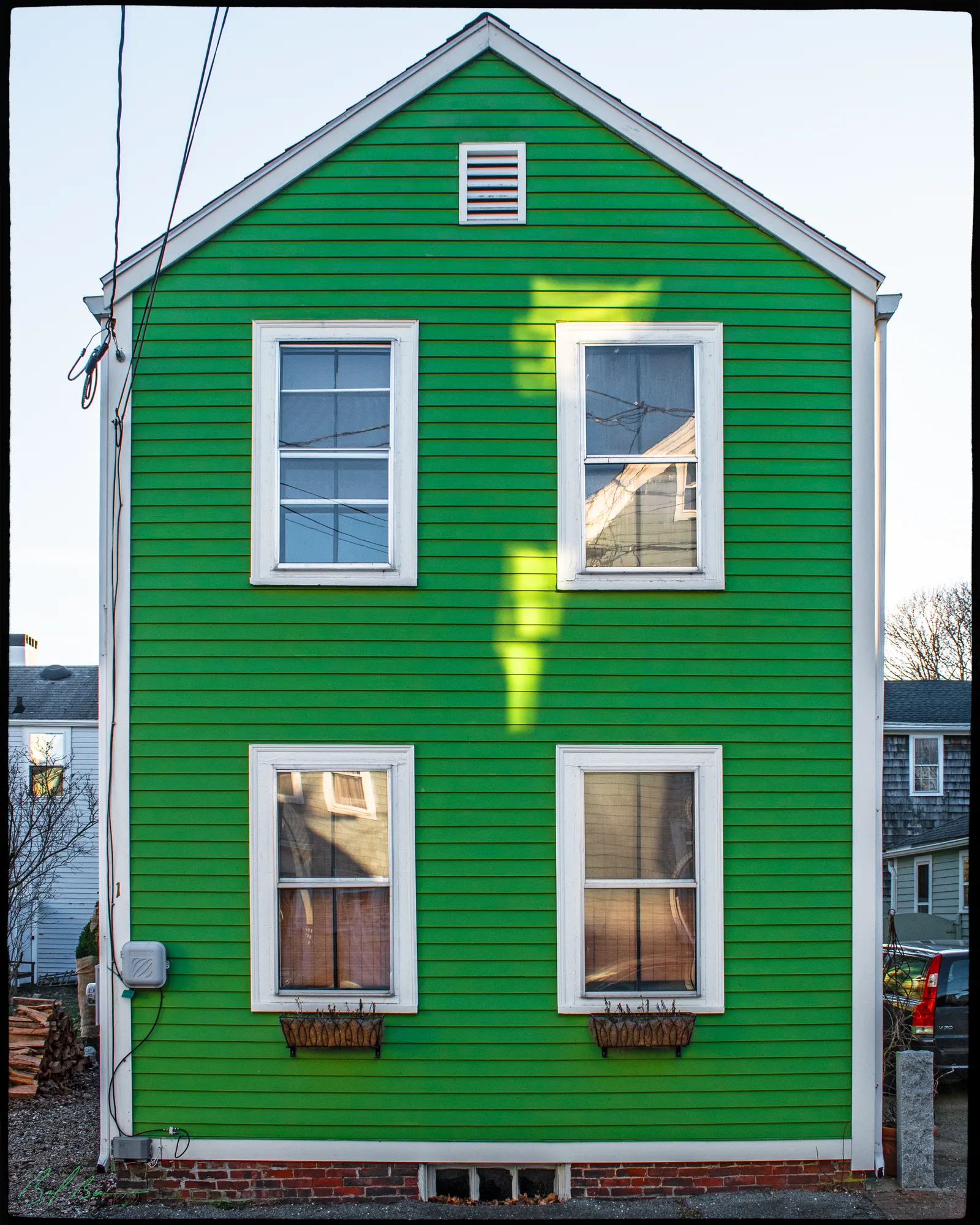 c. 1800–18251 Atkinson StreetAbraham Williams House
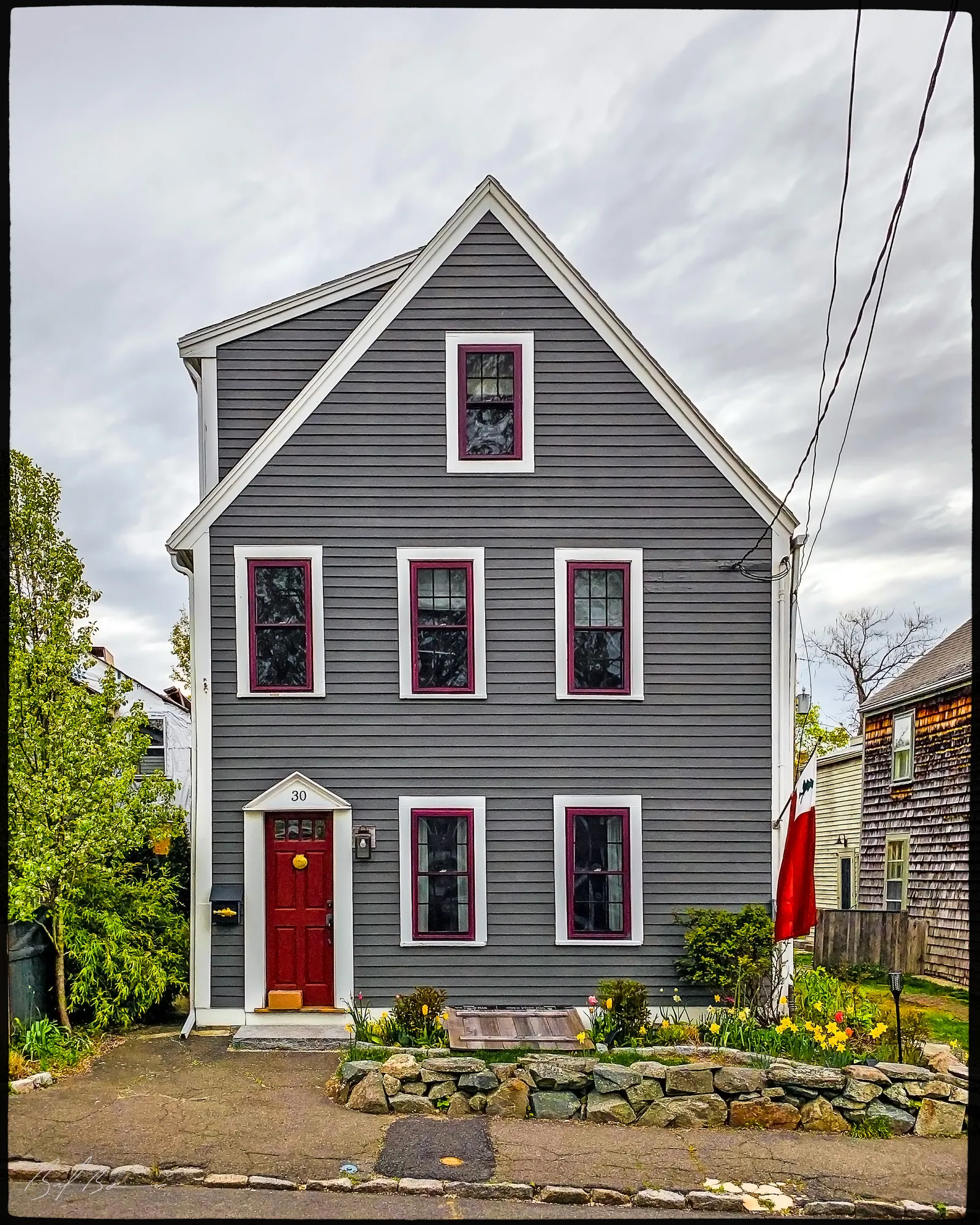 c. 182530 Franklin StreetA. Dole House
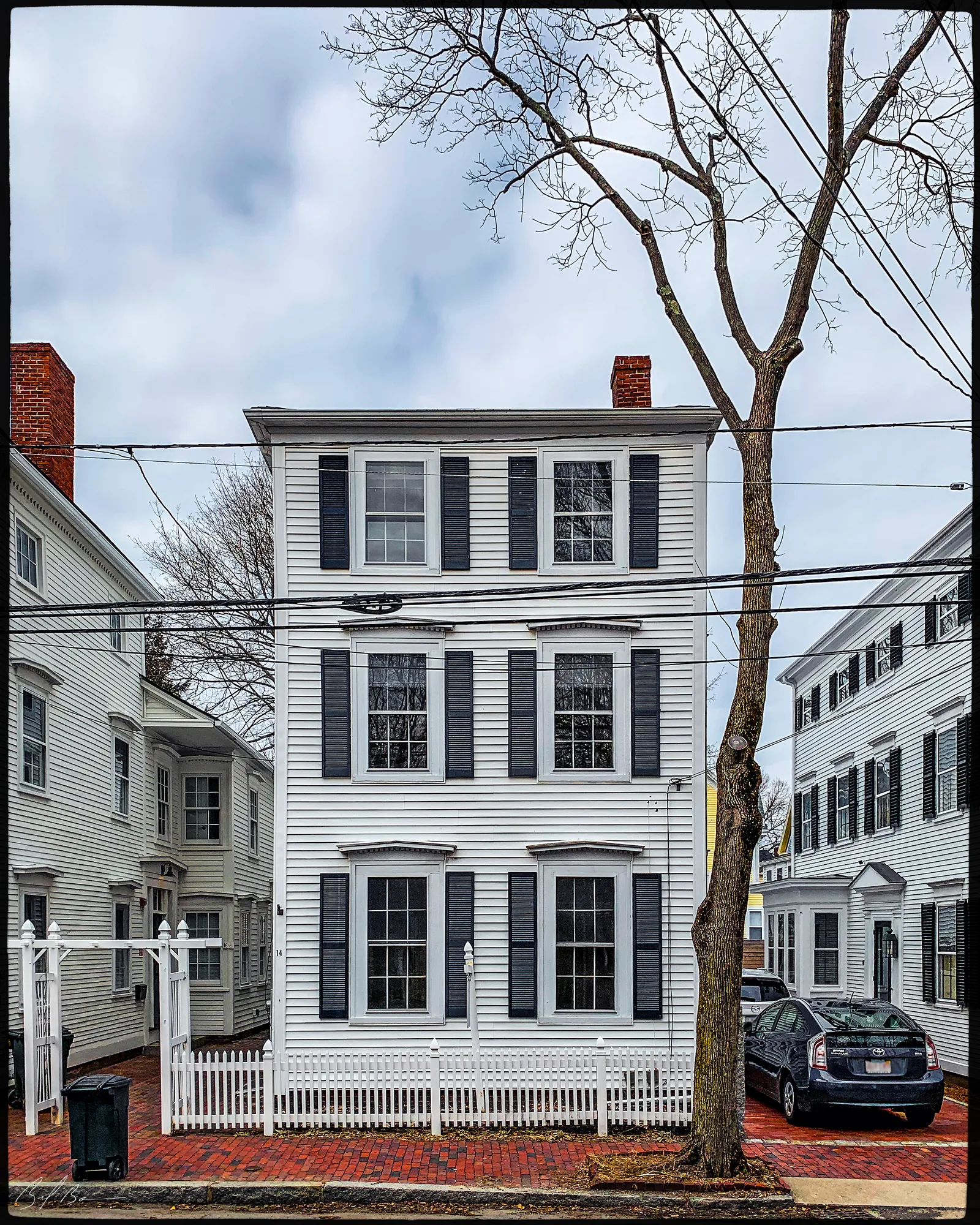
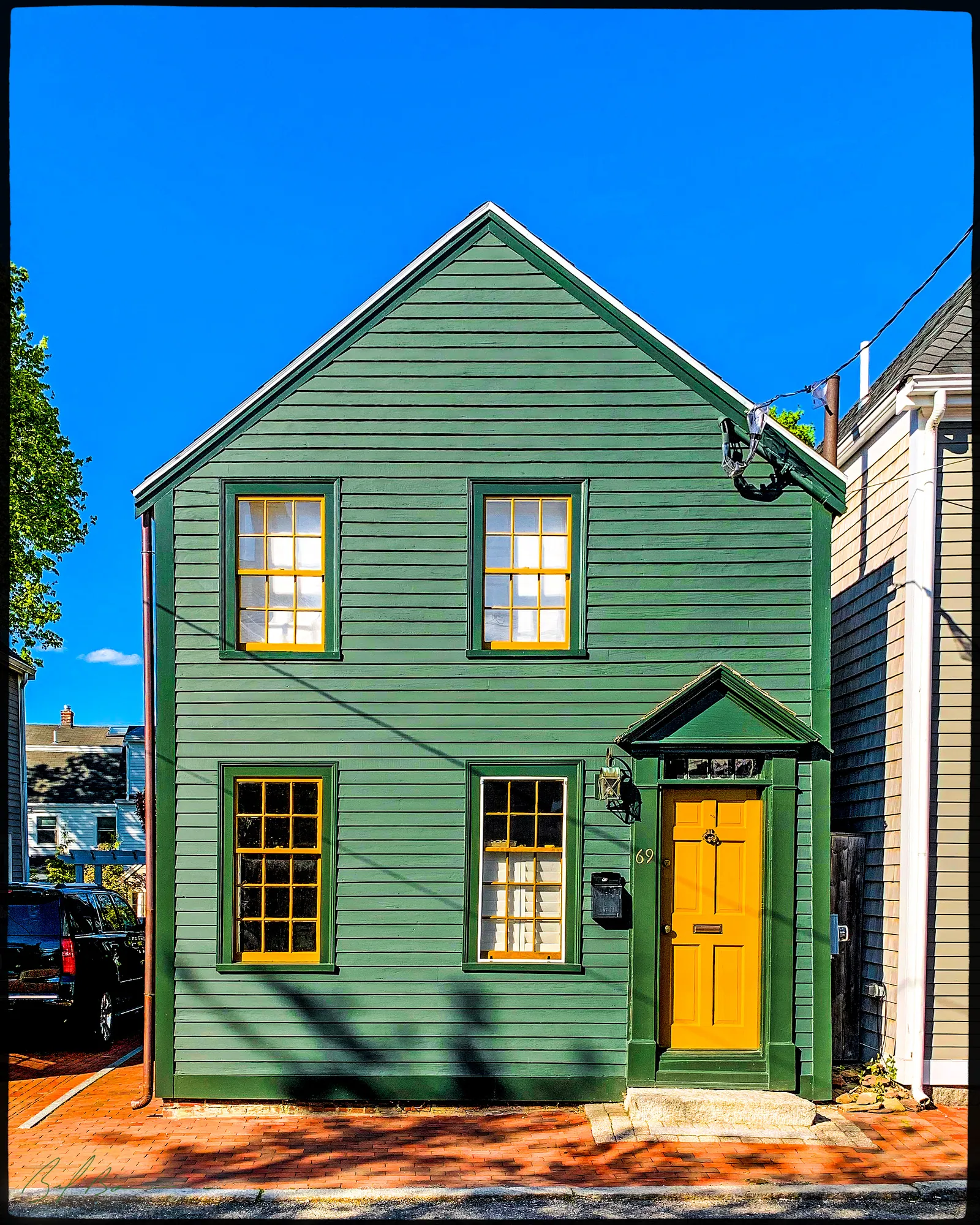 c. 182569 Middle Street
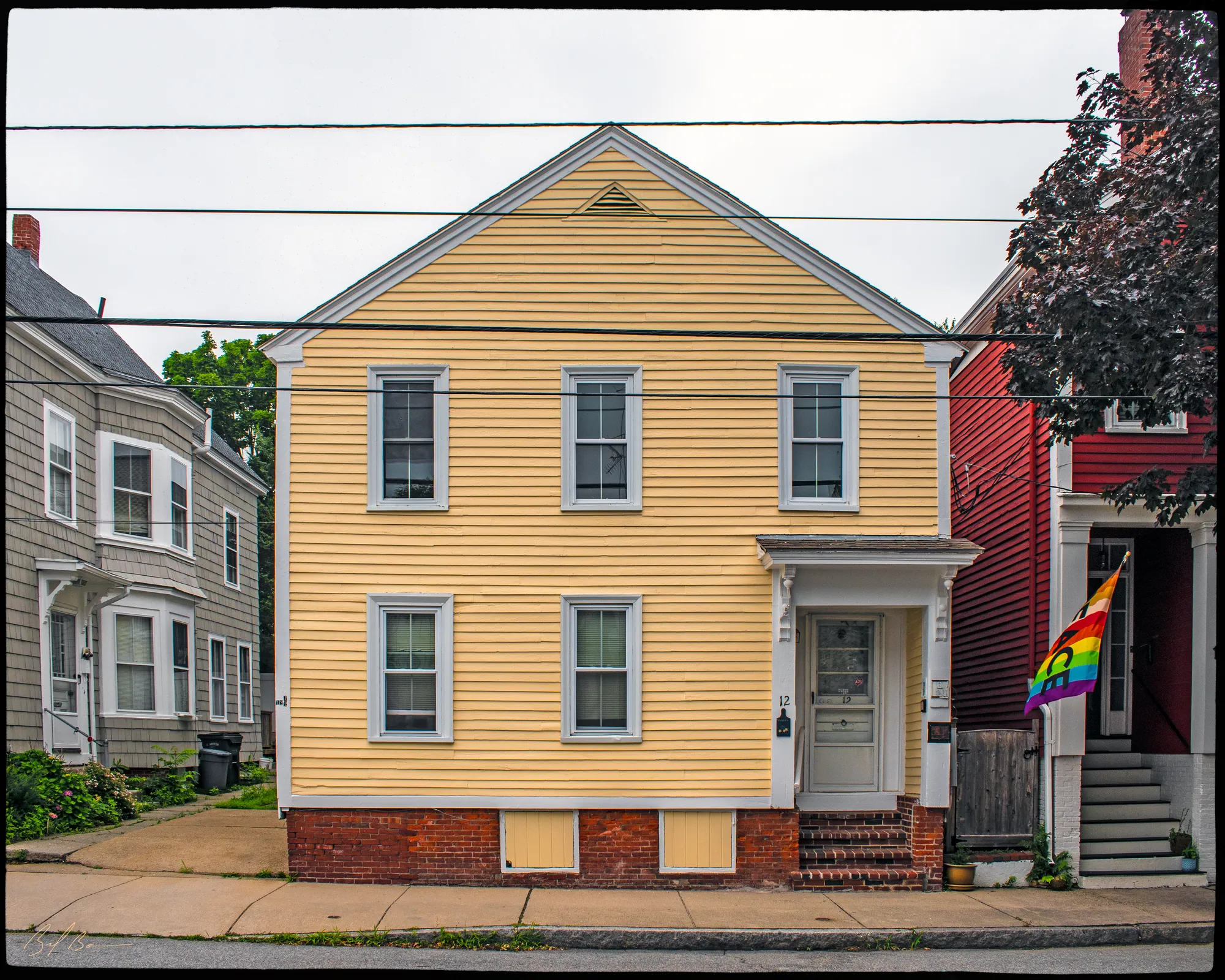 c. 184012 Fair StreetElias Pike House
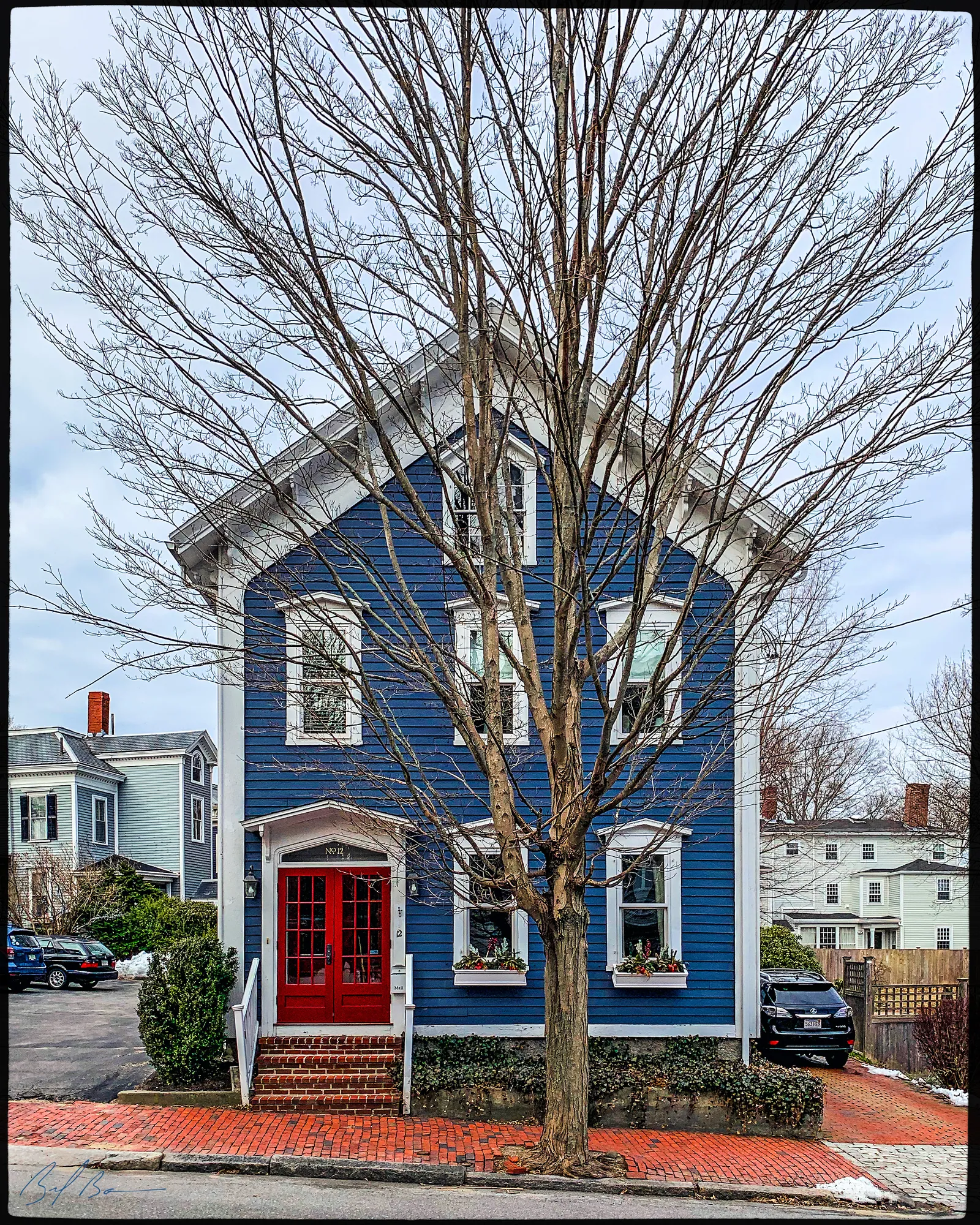 c. 184712 Court StreetM.M. Ross House
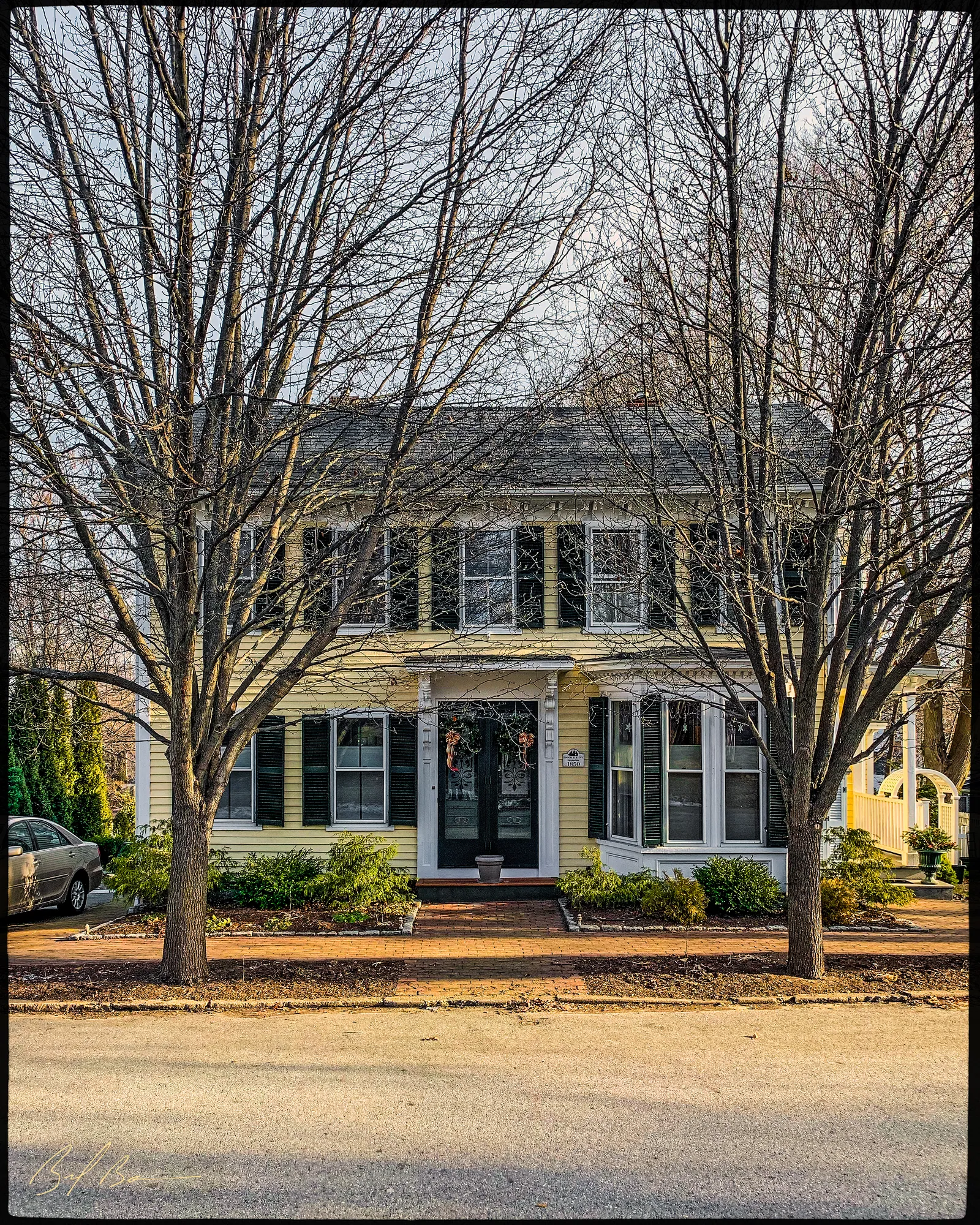 c. 185018-18 ½ Walnut StreetEnoch P. Lunt House
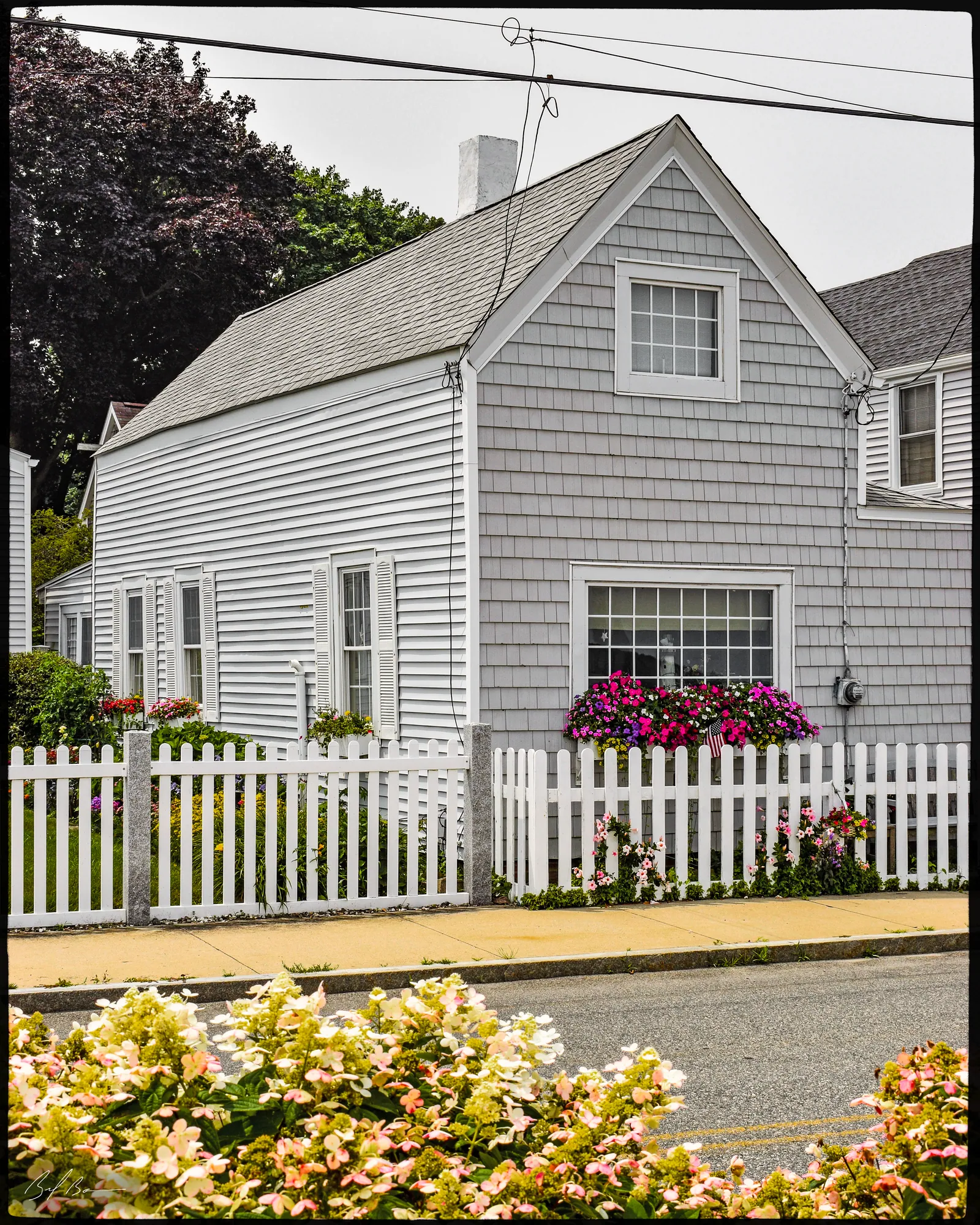 c. 1850188 Water StreetWilliam Collins Cabinet Maker ShopAstylistic
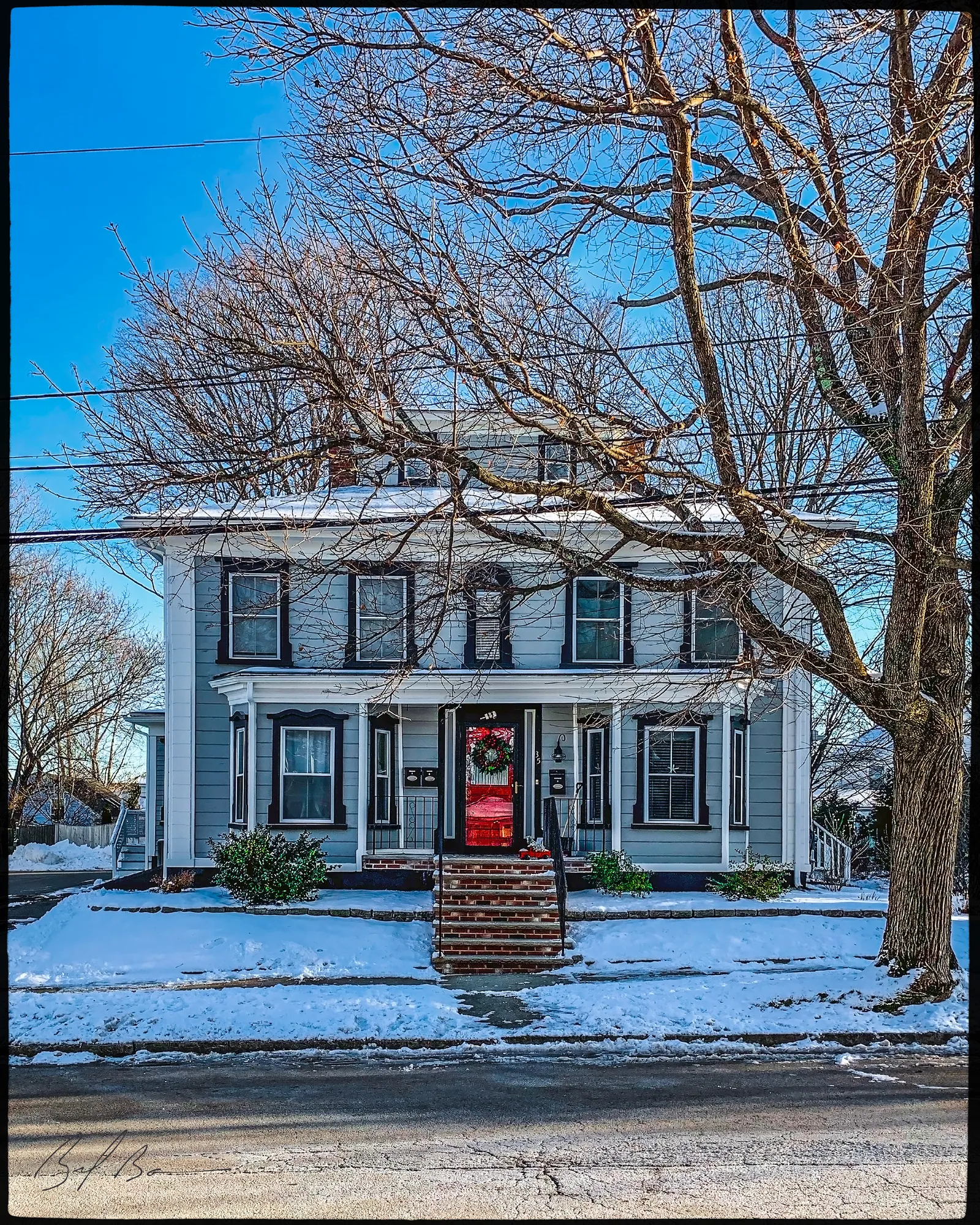 186635 Broad StreetJohn Dockum House
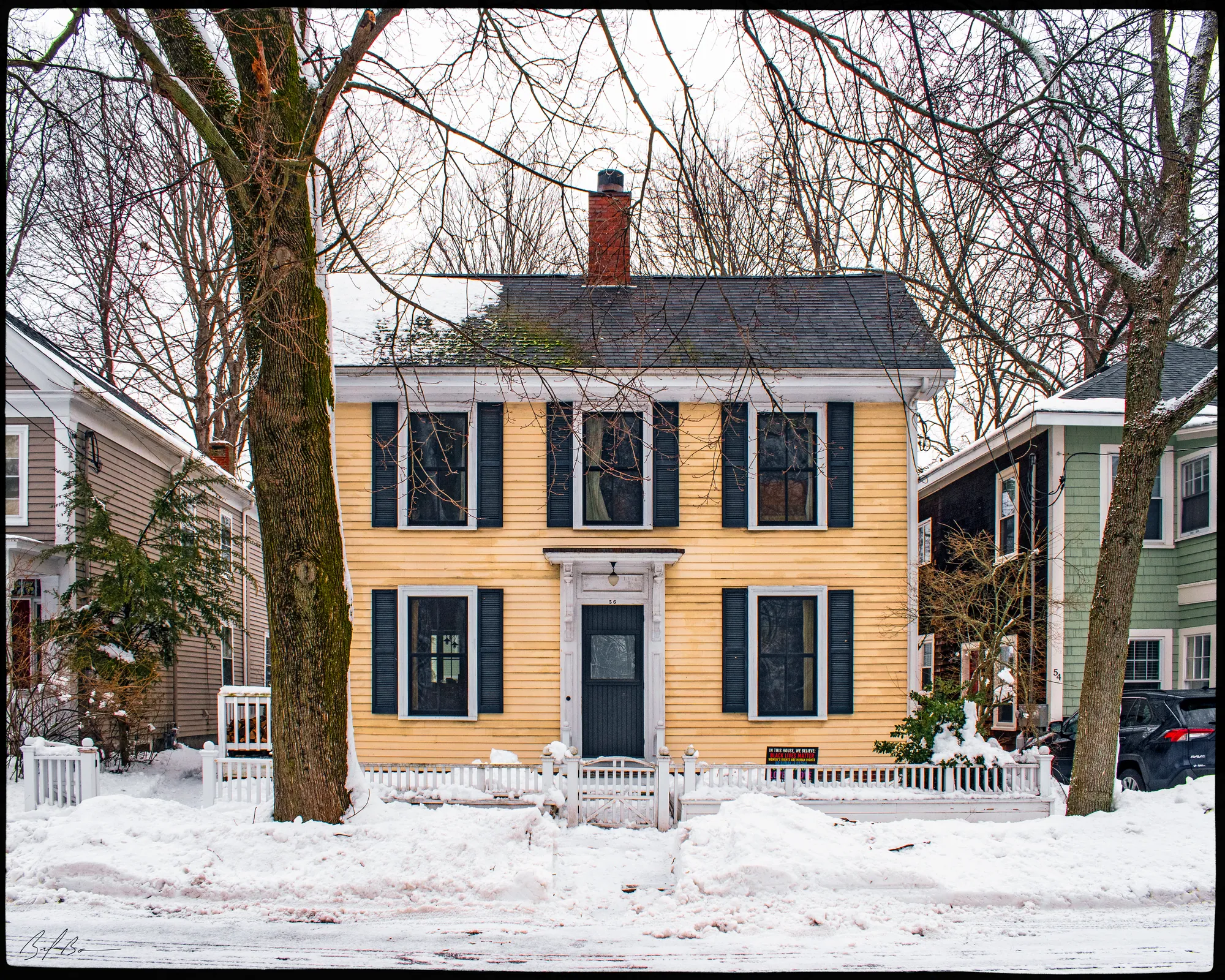 c. 187056 Marlboro StreetEdward Everett Gould House
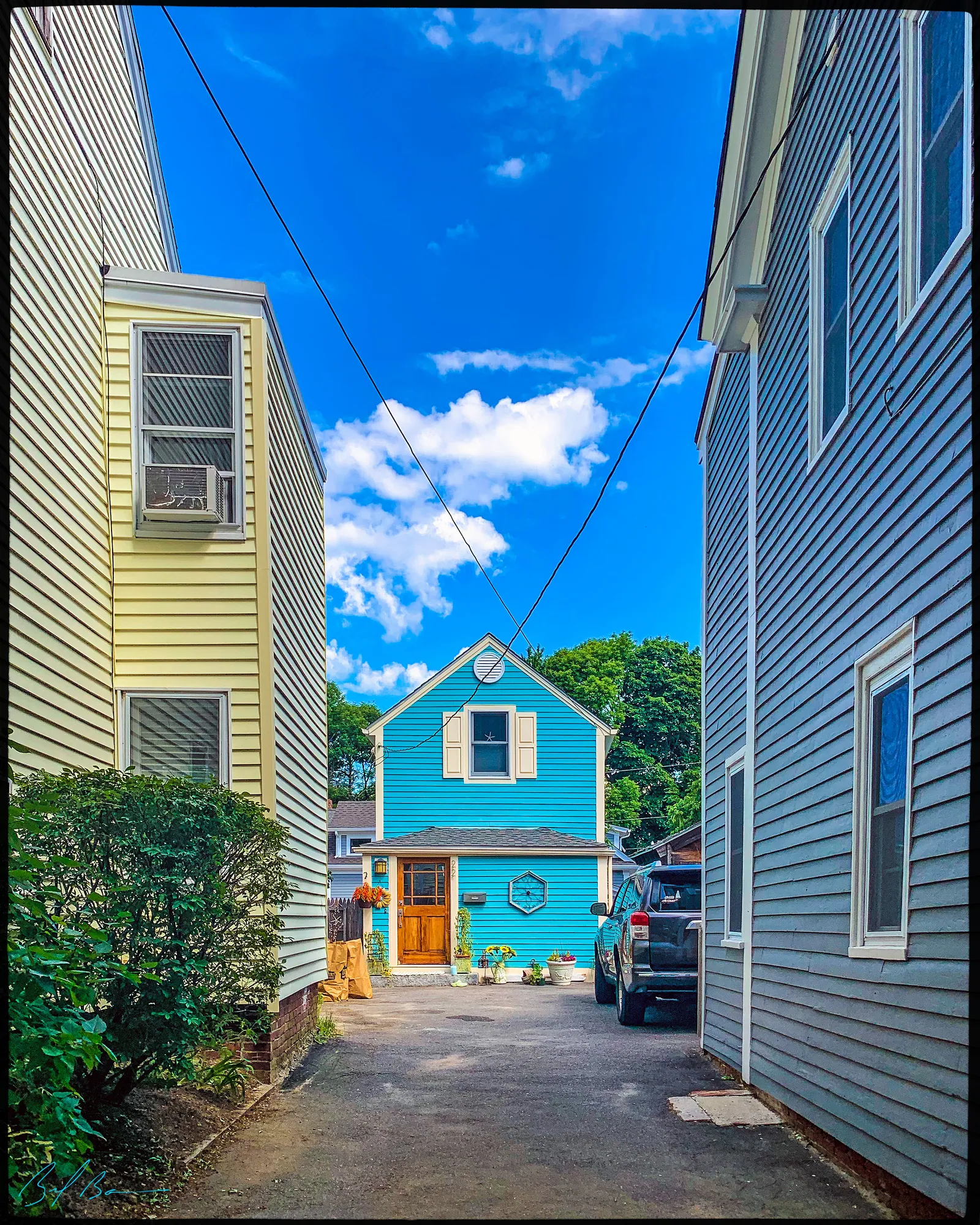 c. 187022 Warren StreetAstylisticc. 187714 Fruit StreetDaniel and Isabel Silloway House
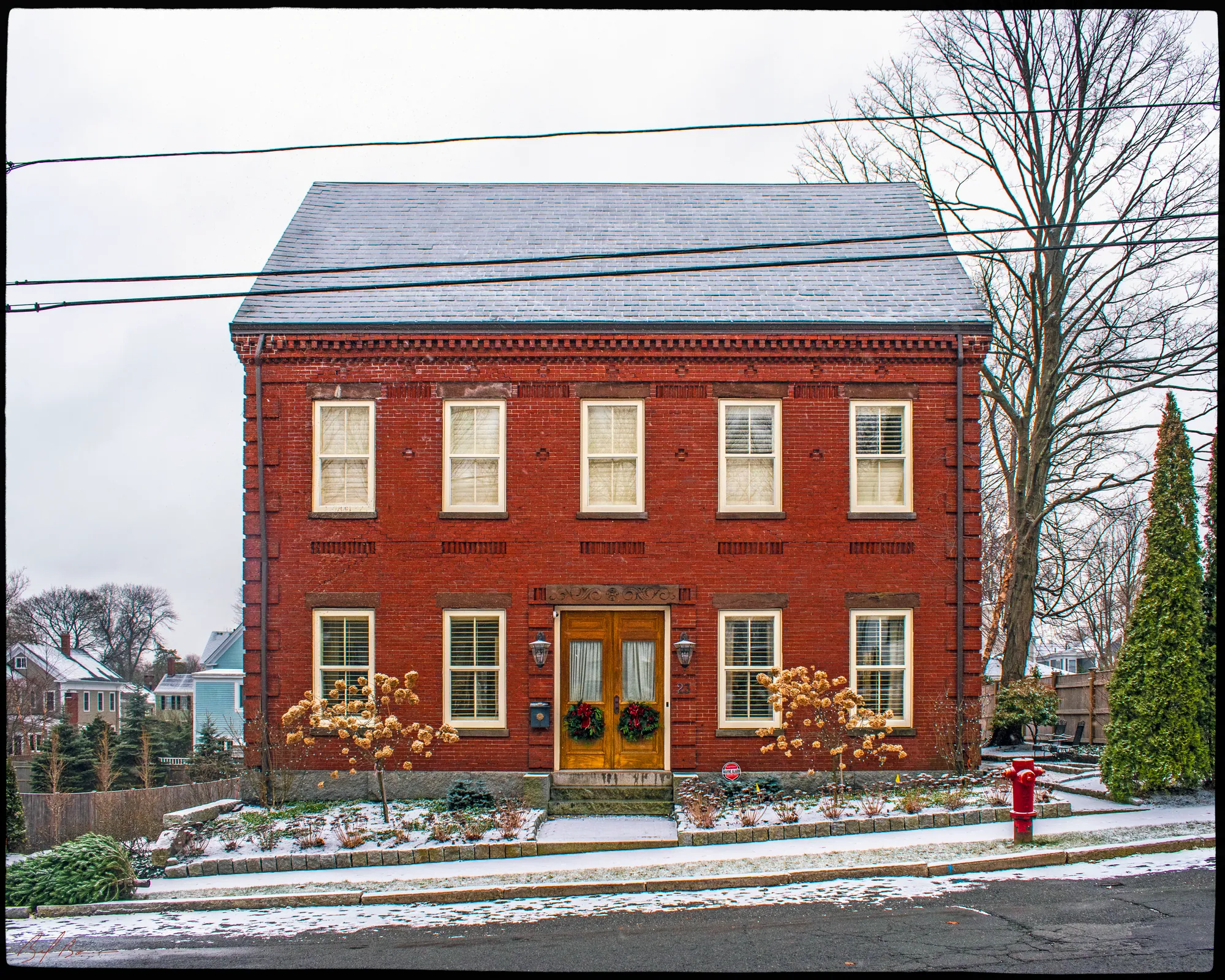 c. 188023 Tyng StreetJoseph H. Currier House
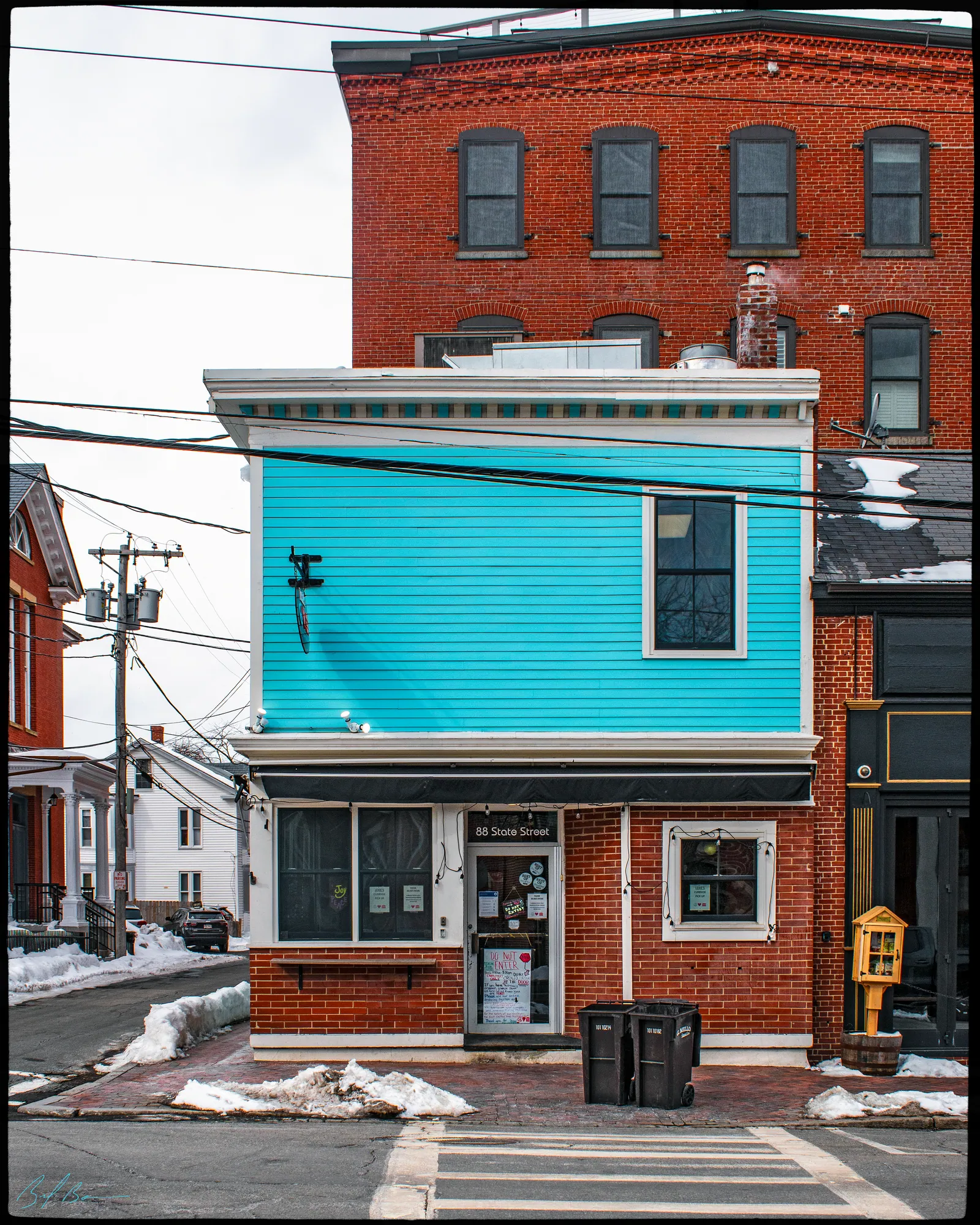 c. 188388 State StreetJohn Sumner ShopAstylistic commercial
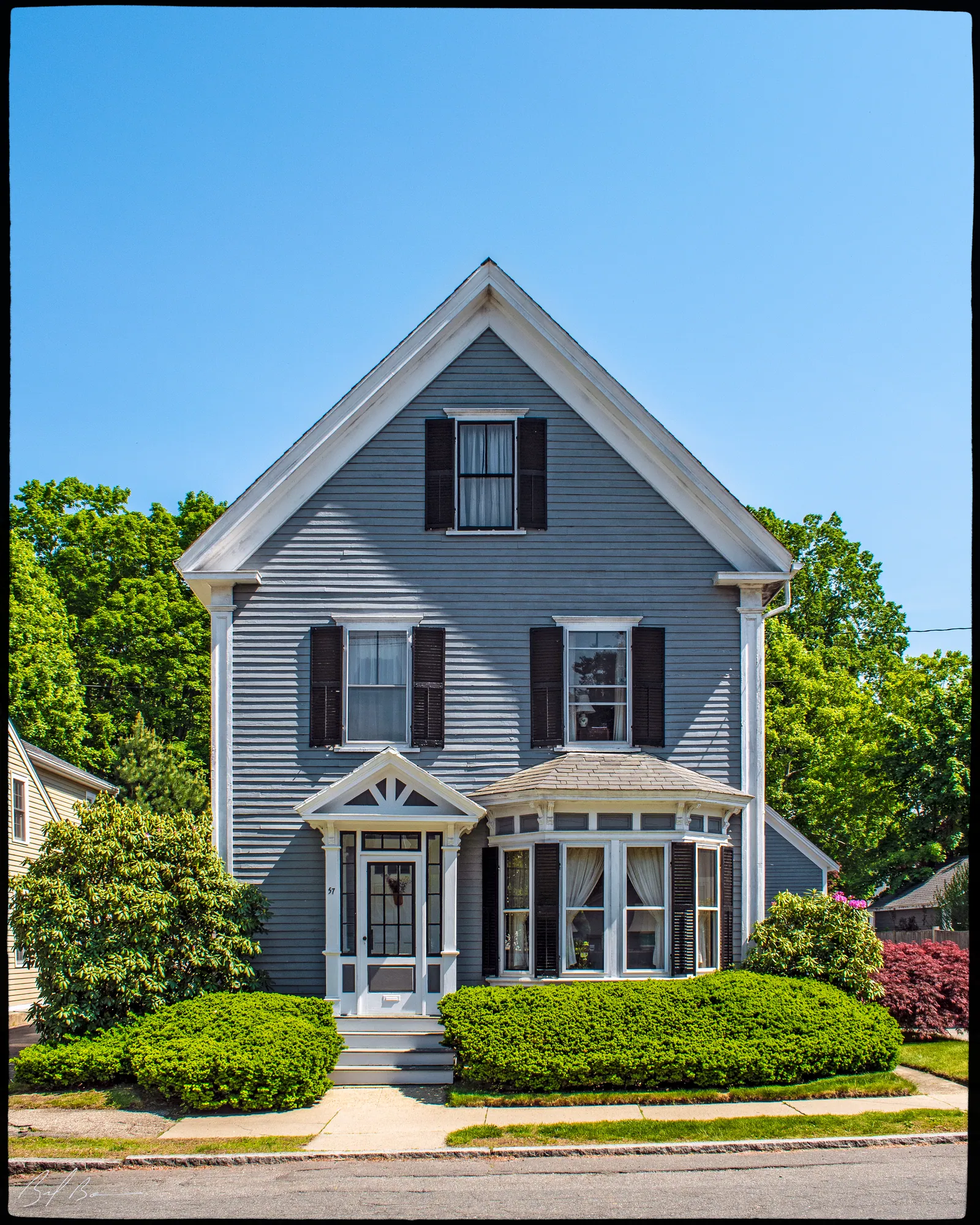 c. 189057 Ashland StreetCharles Genn House
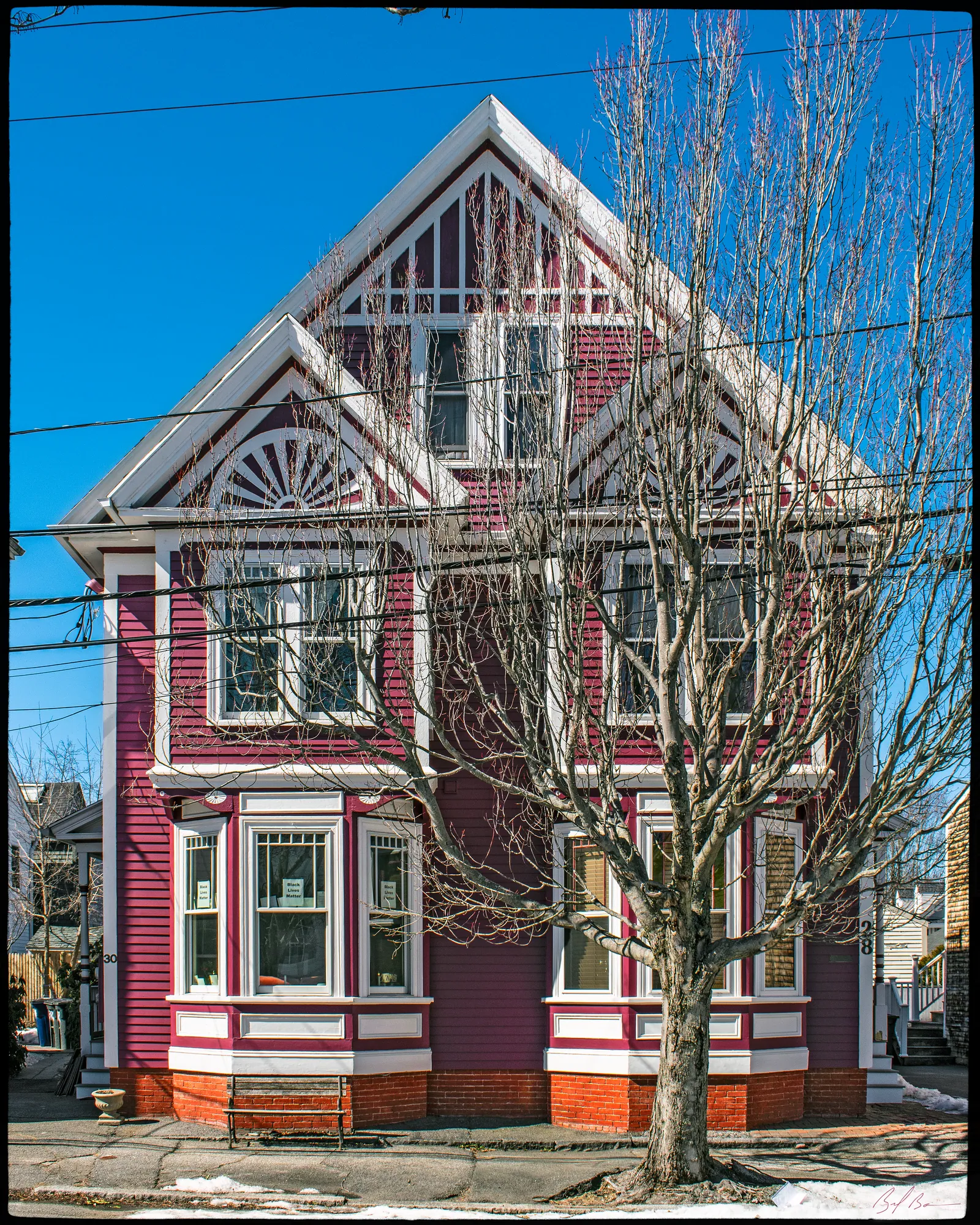 c. 1890–9428-30 Market StreetCharles W. Blake House
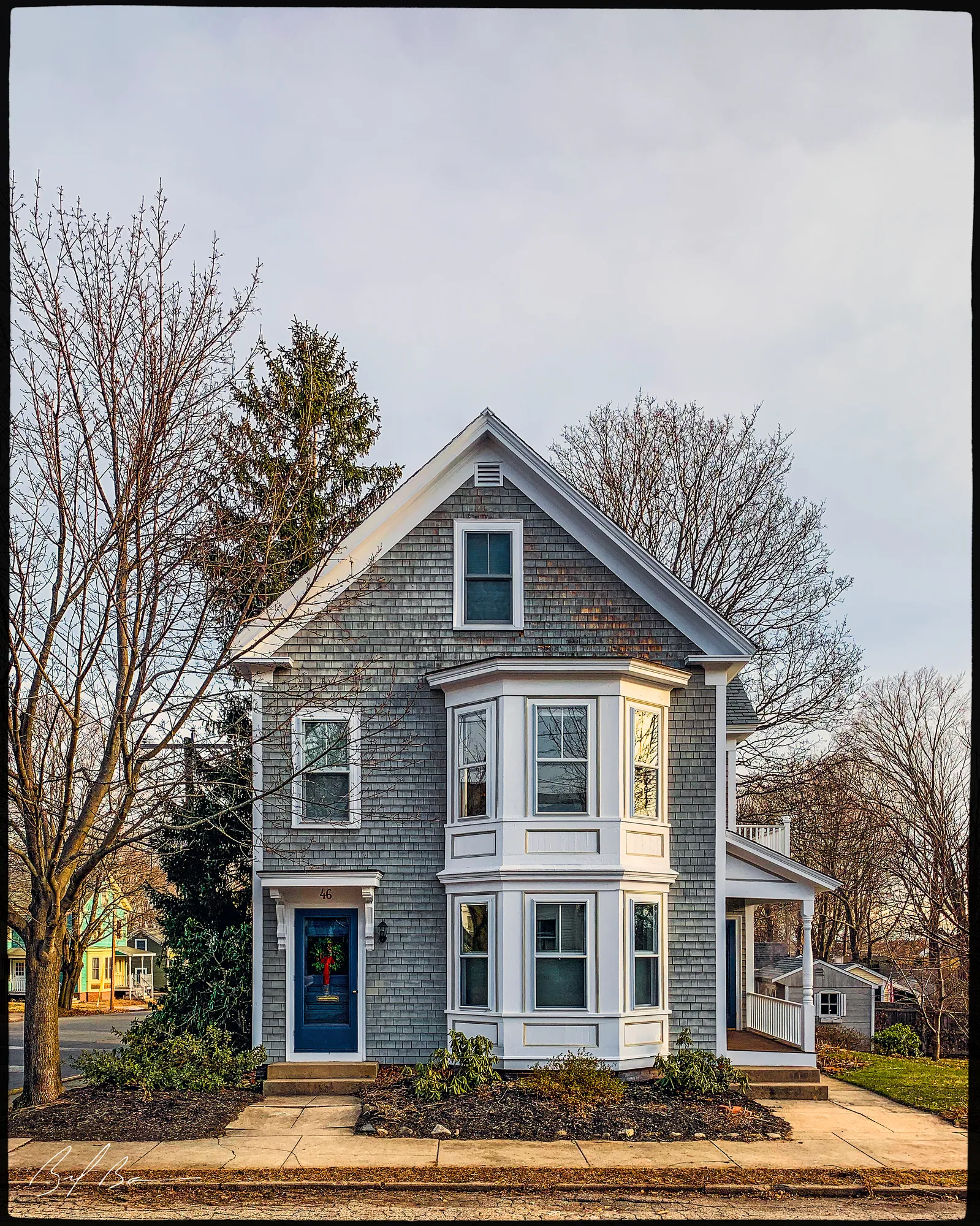 c. 189046 Munroe Street
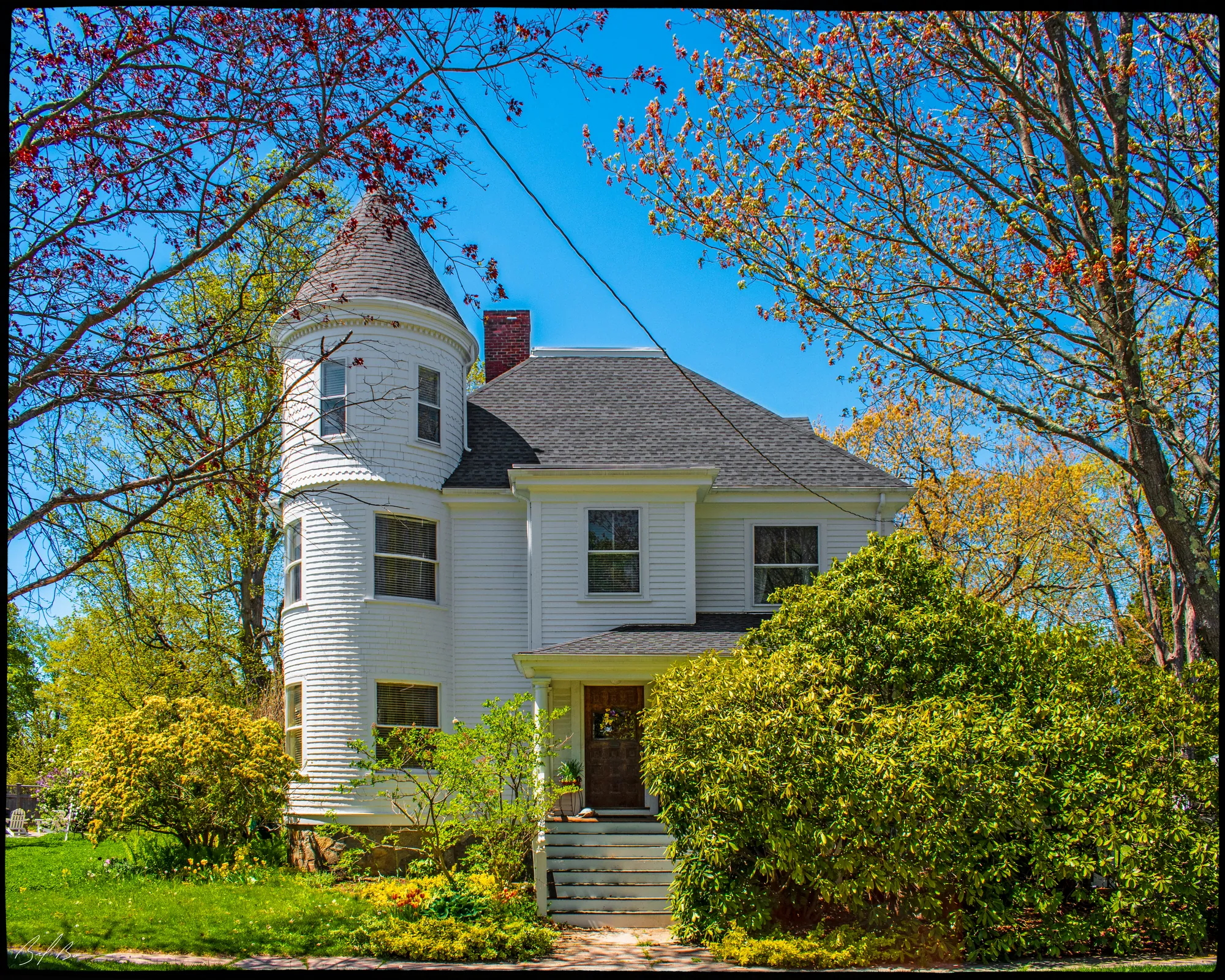 c. 190050 Plummer AvenueCurrier House
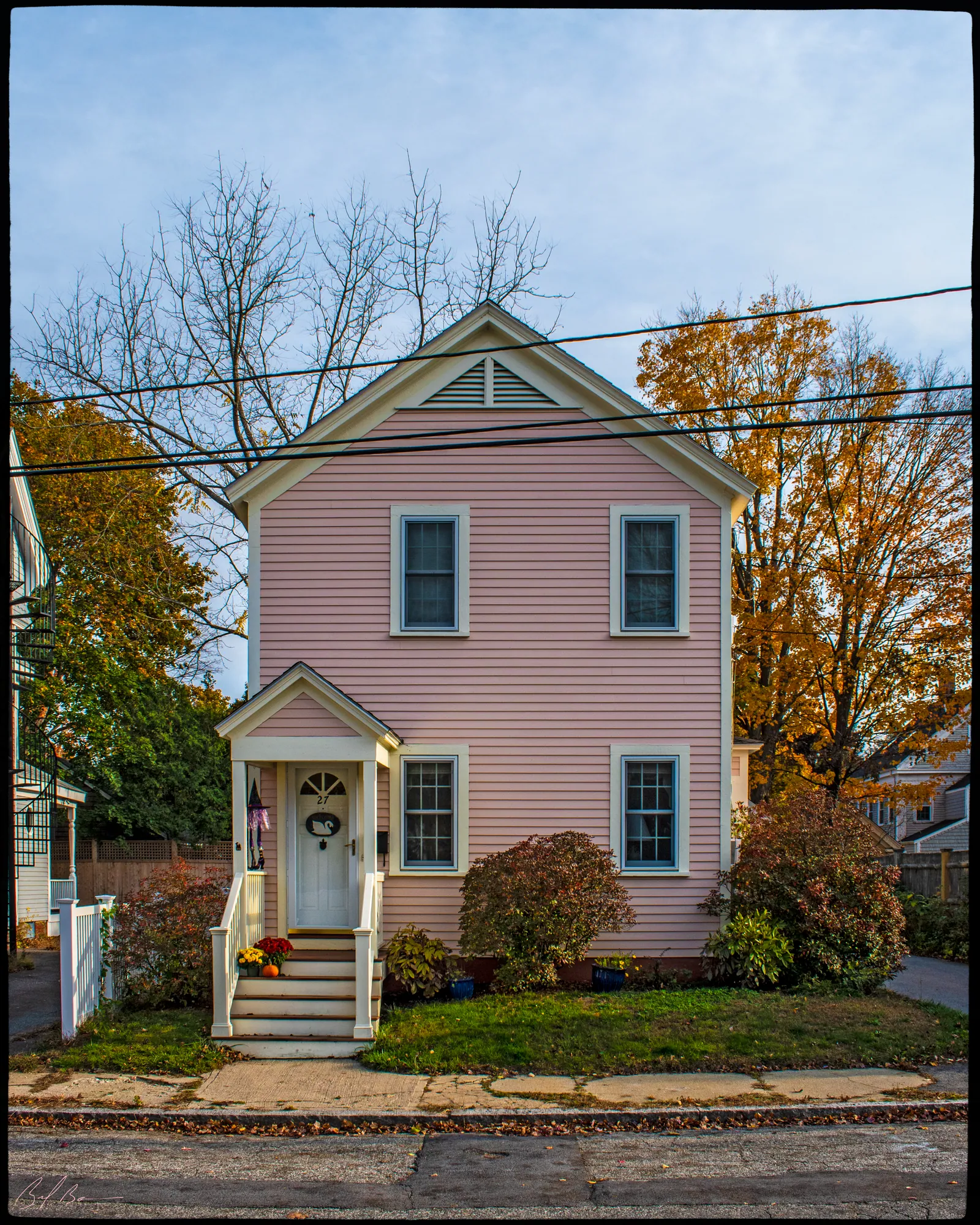 c. 191527 Barton StreetAstylistic
Styles are as recorded on each building's page; a building whose page names two styles is listed under the one that fits its date, or under Victorian Eclectic when both are Victorian, with its own wording under its address. Buildings not yet researched show the state inventory's dates and styles. Hollow dots are lost buildings. Locations: MassGIS / Massachusetts Historical Commission.